Jejuri — Community Center for the Chimbai Fisherfolk
The most profound architectural commissions are sometimes the smallest. Not smallest in budget or in ambition, but in the distance between the client’s need and the architect’s response — the shortest path between what a community requires and what a building can provide. The Jejuri Community Center is one such commission. It began with a conversation between Vinit Nikumbh and a friend of his father: a man from the Chimbai fishing community of Bandra, one of Mumbai’s oldest coastal villages, who came to the studio with a practical problem and a deep cultural need.
The Chimbai community is a tight-knit group of fisherfolk who have lived in the village of Chimbai, on the Arabian Sea shore of Bandra, for generations. Every year or two, the entire community undertakes a palki — a ceremonial procession — carrying the deity Khandoba from Bandra to the sacred city of Jejuri in Pune district, where Khandoba’s primary temple stands atop a hill of extraordinary cultural significance. The procession brings the whole community together: young and old, men and women, those who were born in Chimbai and those who now live elsewhere. When they arrive in Jejuri, they need somewhere to stay, somewhere to keep the palki, somewhere to eat and pray and celebrate together for four days.
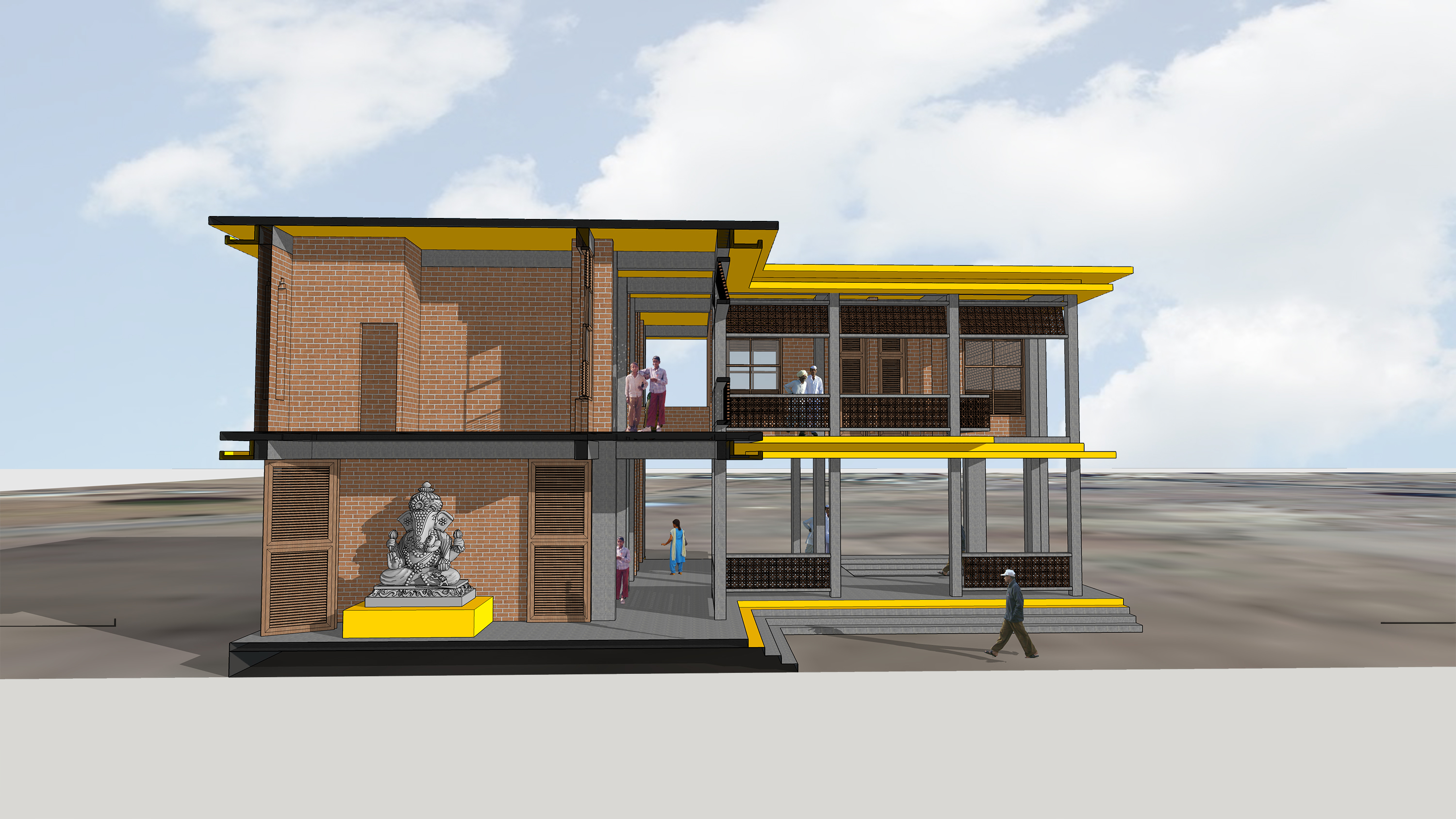
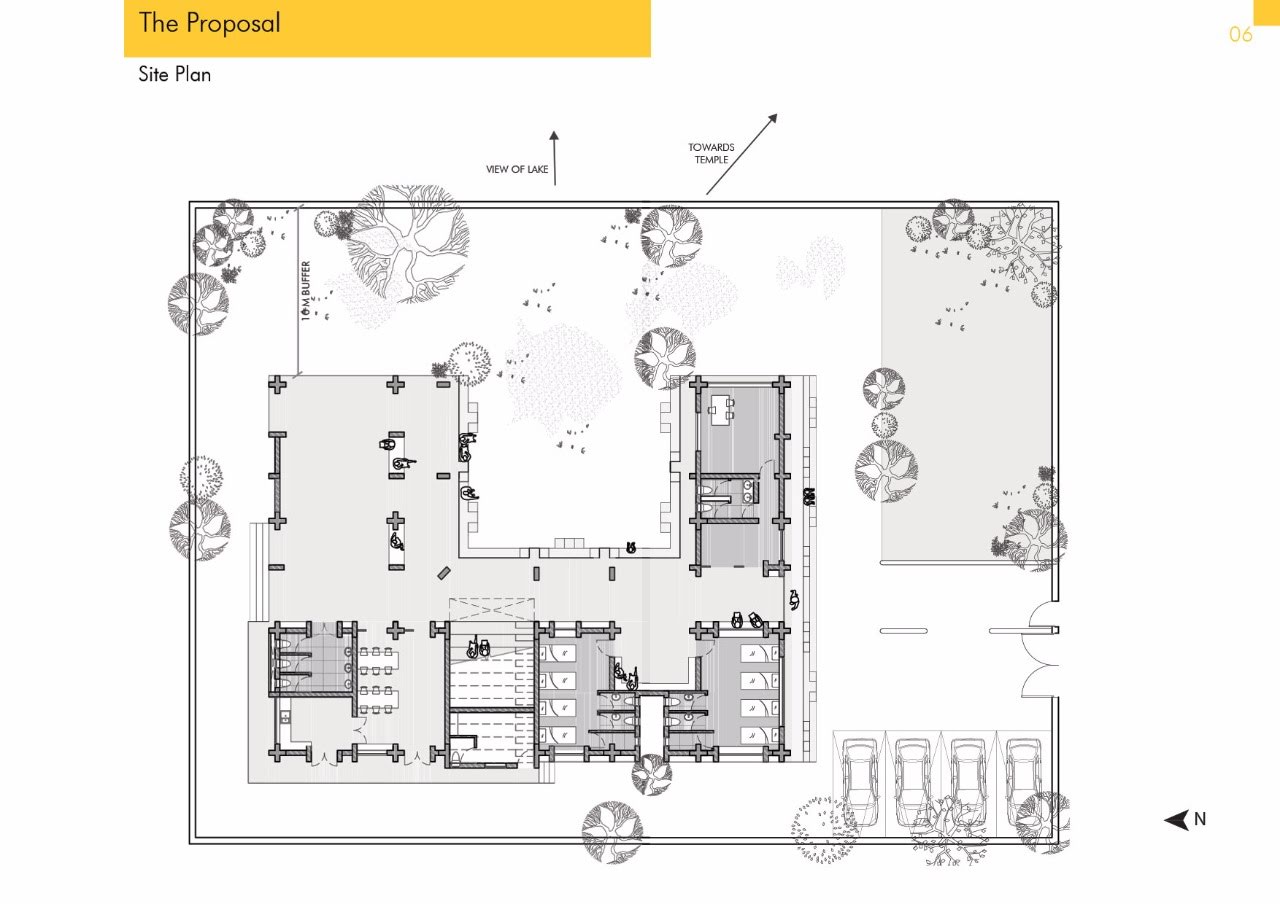
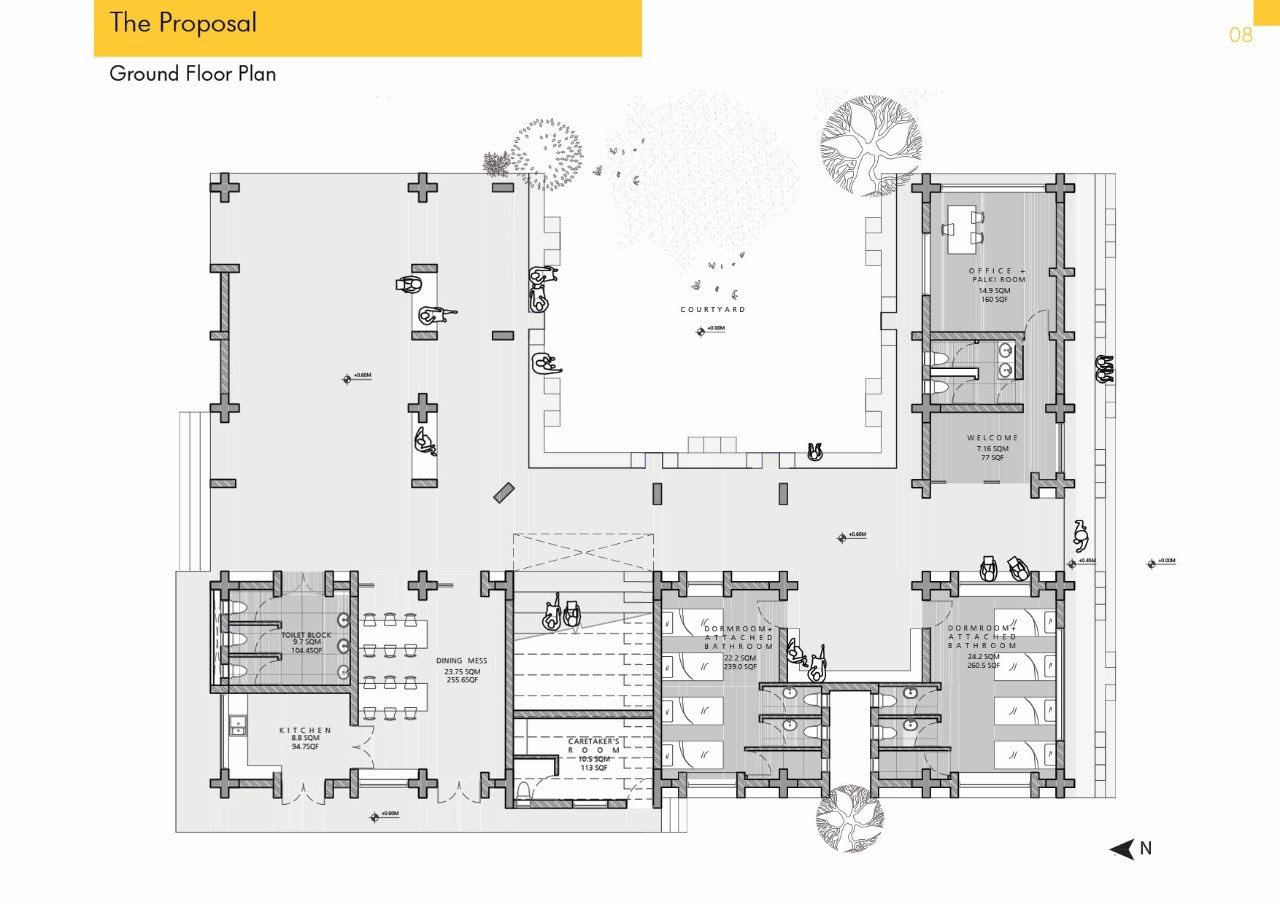
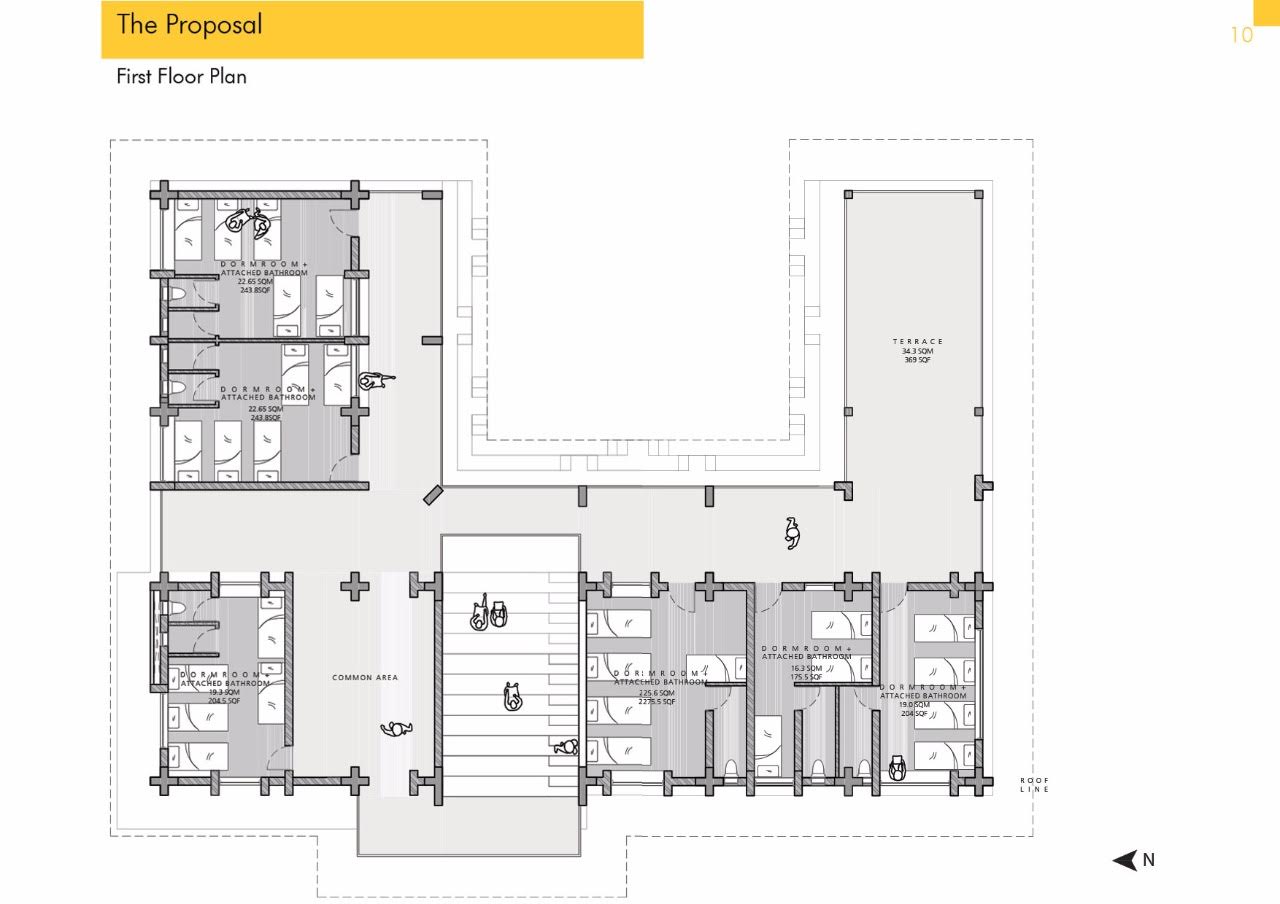
The brief was clear in its programme: dormitory accommodation for community members, a dedicated chamber for the palki, a community kitchen, spaces for bhajan-singing and devotional gathering, and a building flexible enough to accommodate weddings and other community events throughout the year. The building had to be self-managed and self-funded by the community — which required Bricolage Bombay to begin the project not with architectural drawings but with a fundraising brochure and a detailed Bill of Quantities, so that community members across Mumbai could understand the project’s cost and contribute with confidence.
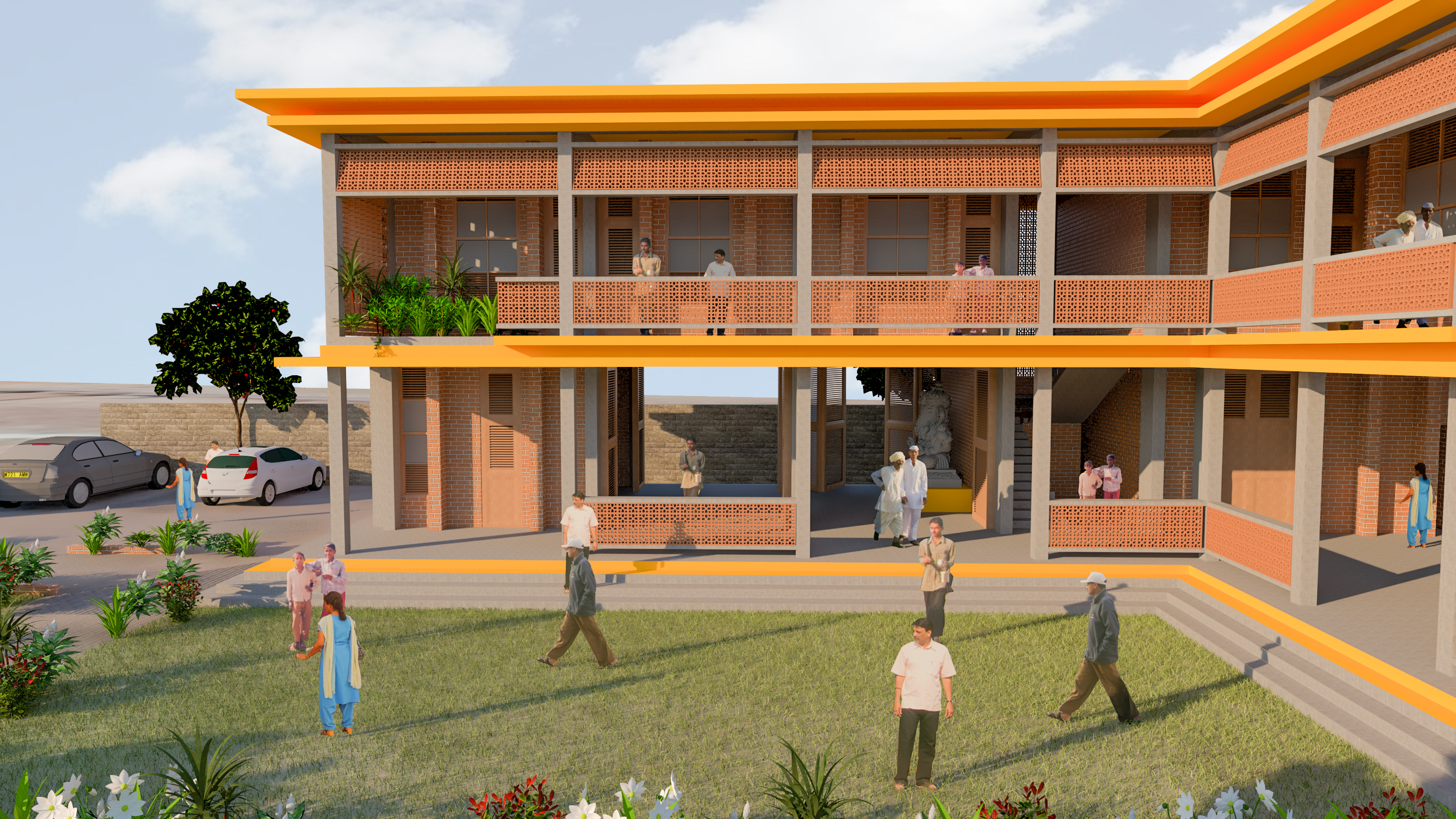
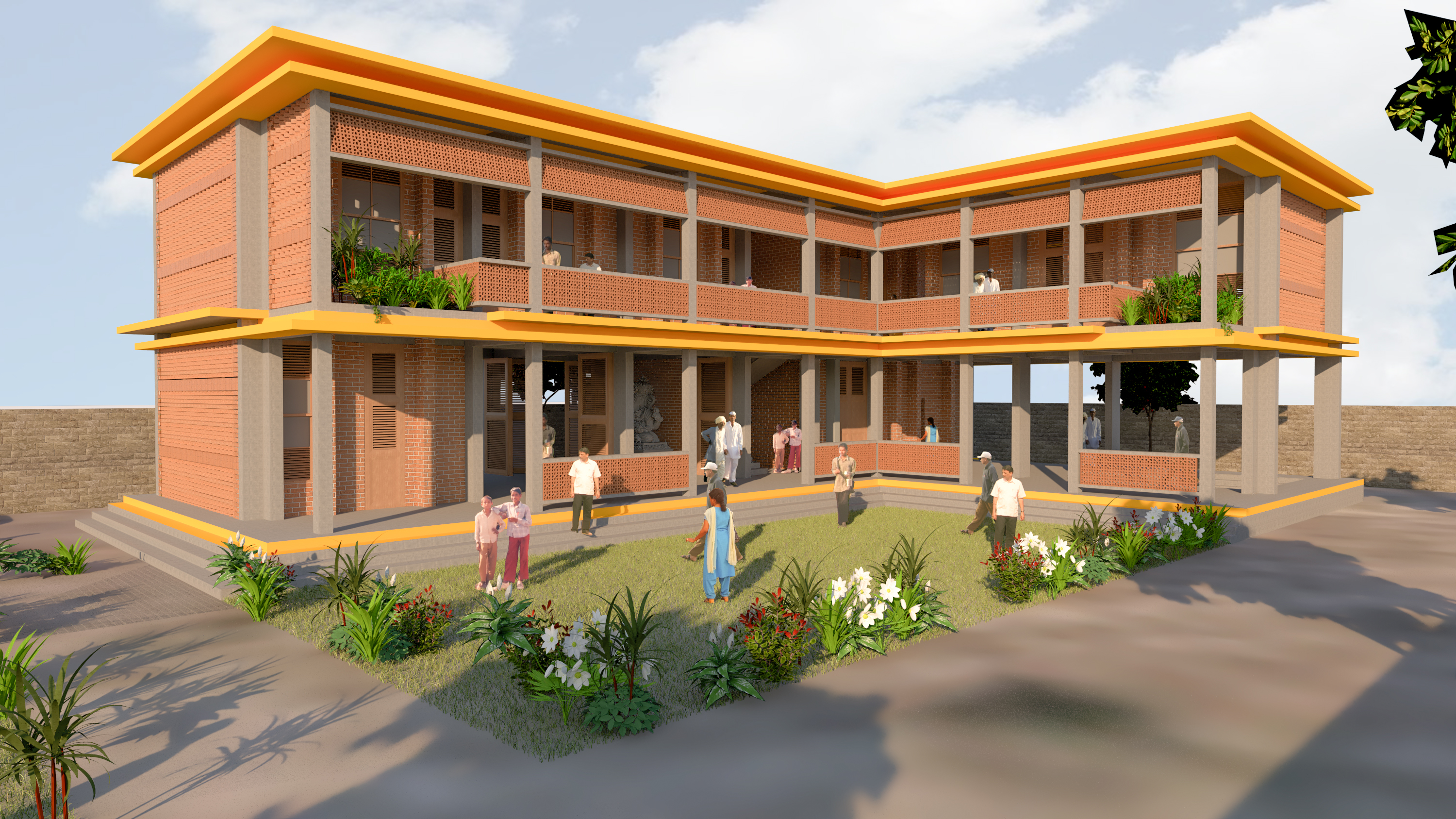
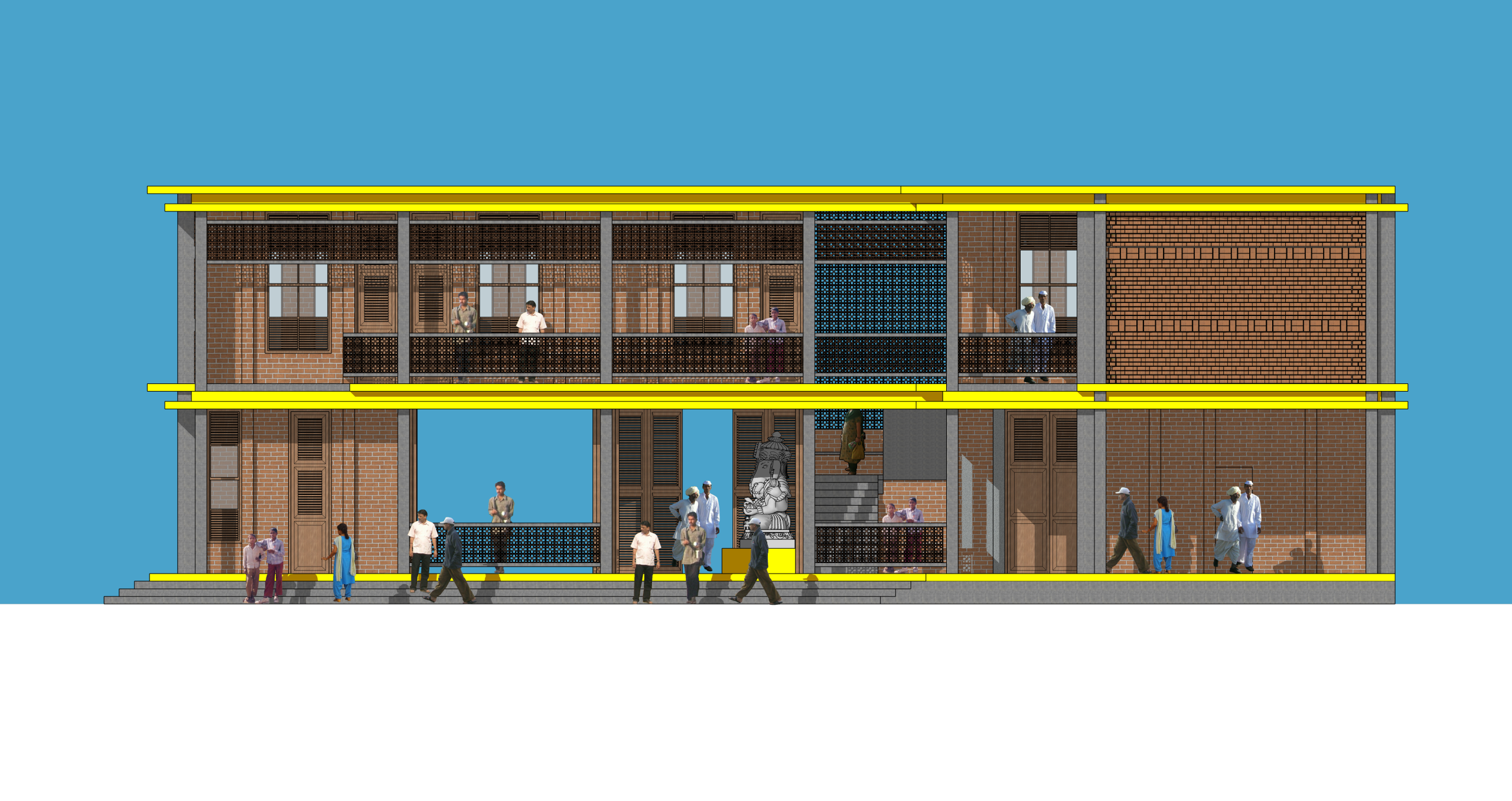
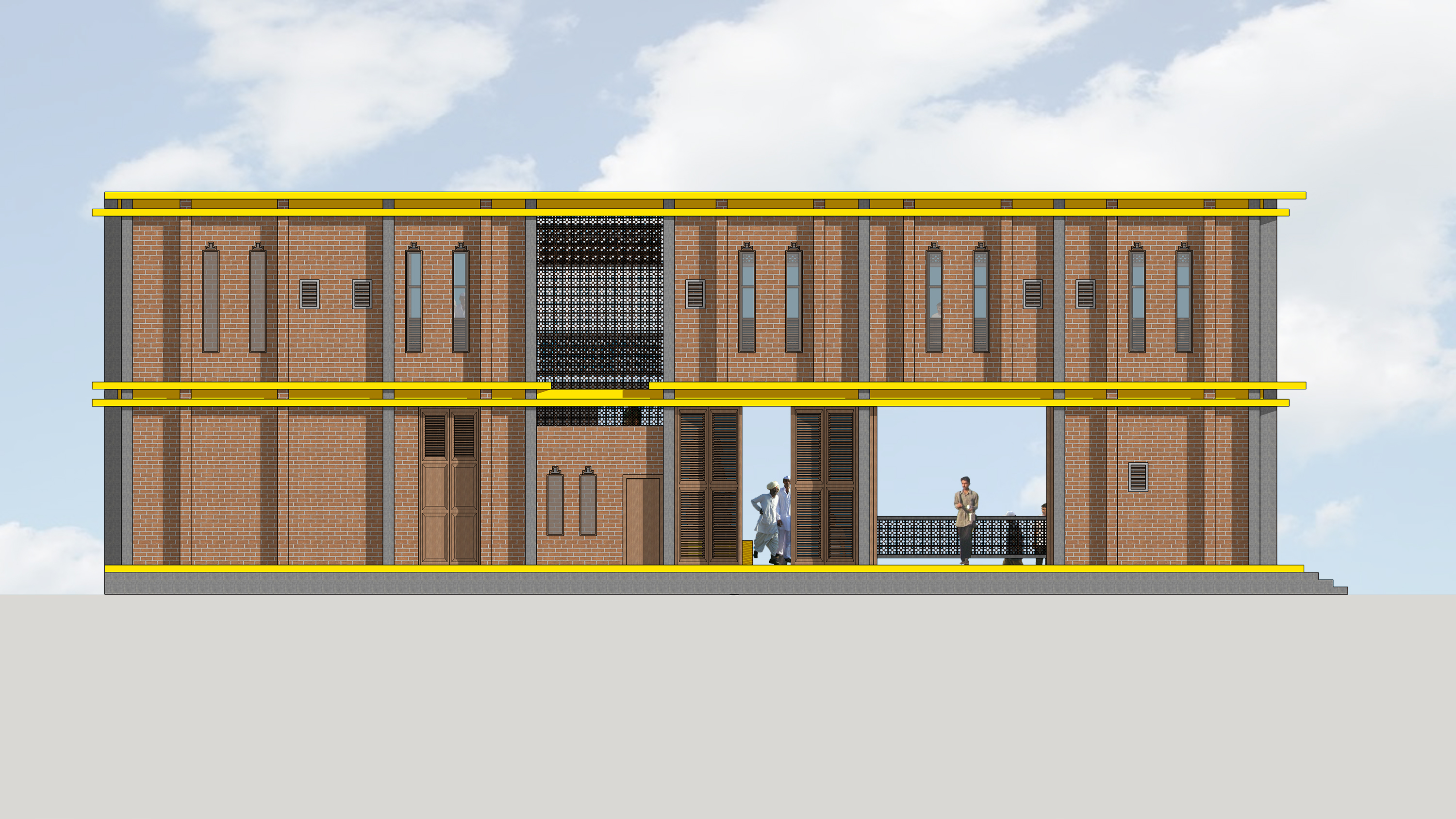
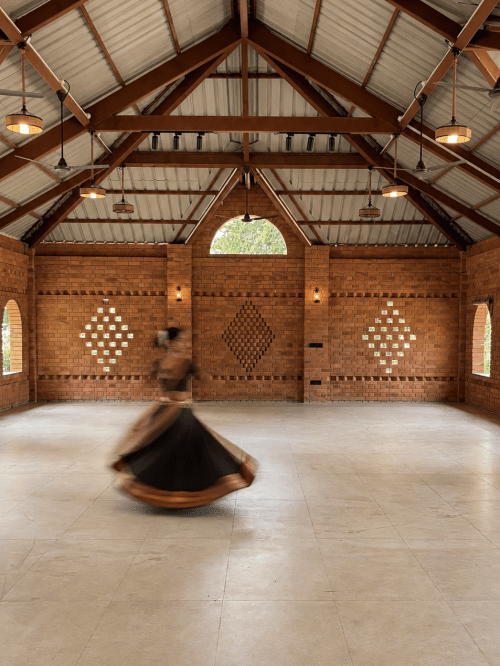
The architectural response was informed by three years of research into Jejuri’s cultural and physical context. Yellow is the colour of Khandoba — the city’s buildings, its marigold garlands, its turmeric-dusted offerings all carry this colour as a devotional identifier. The Community Center was designed with yellow accents embedded in its material palette, so that the building would read, from a distance and up close, as belonging to the landscape of Jejuri: not an import from Mumbai but a natural outgrowth of the city’s own visual culture.
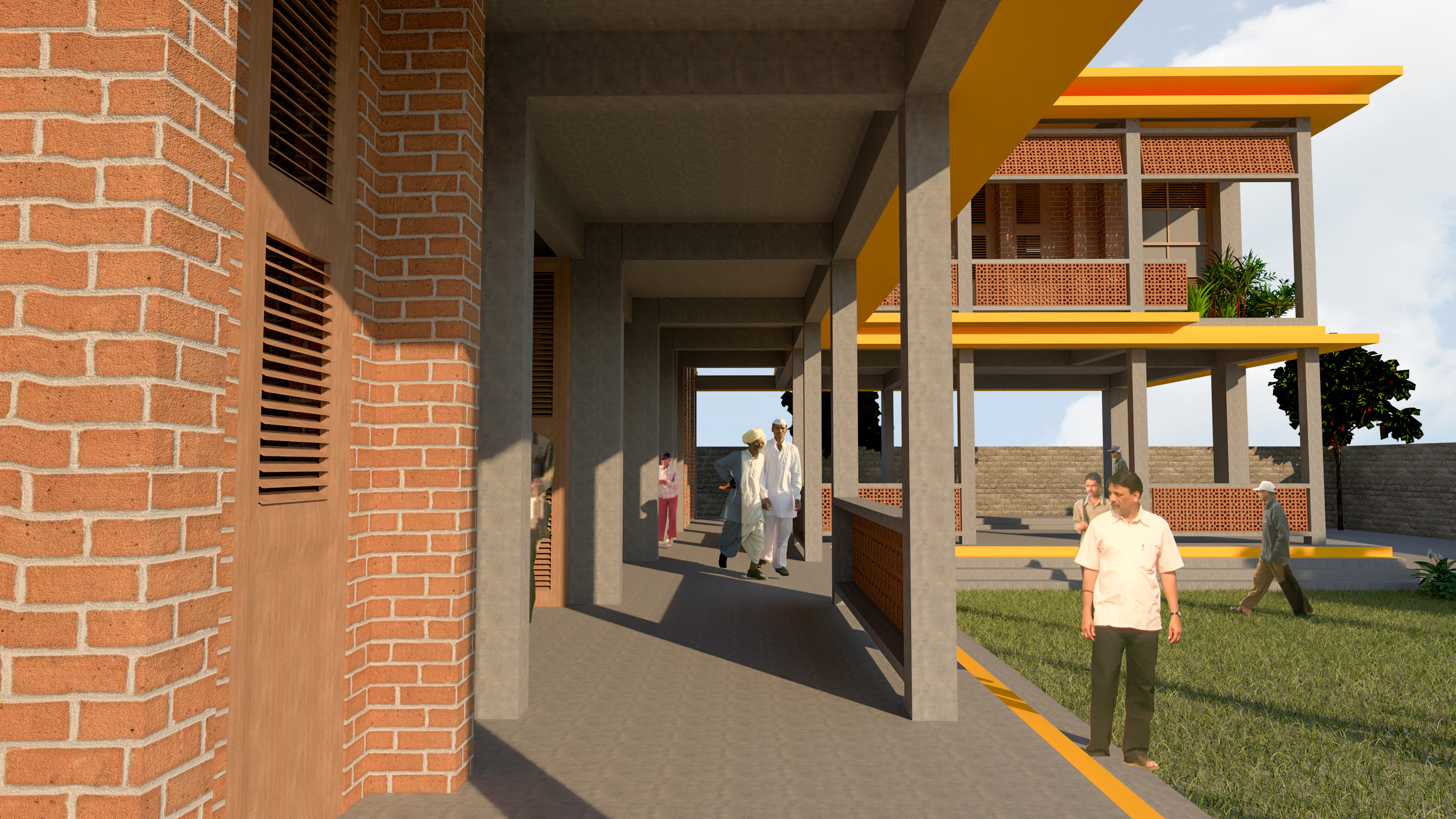
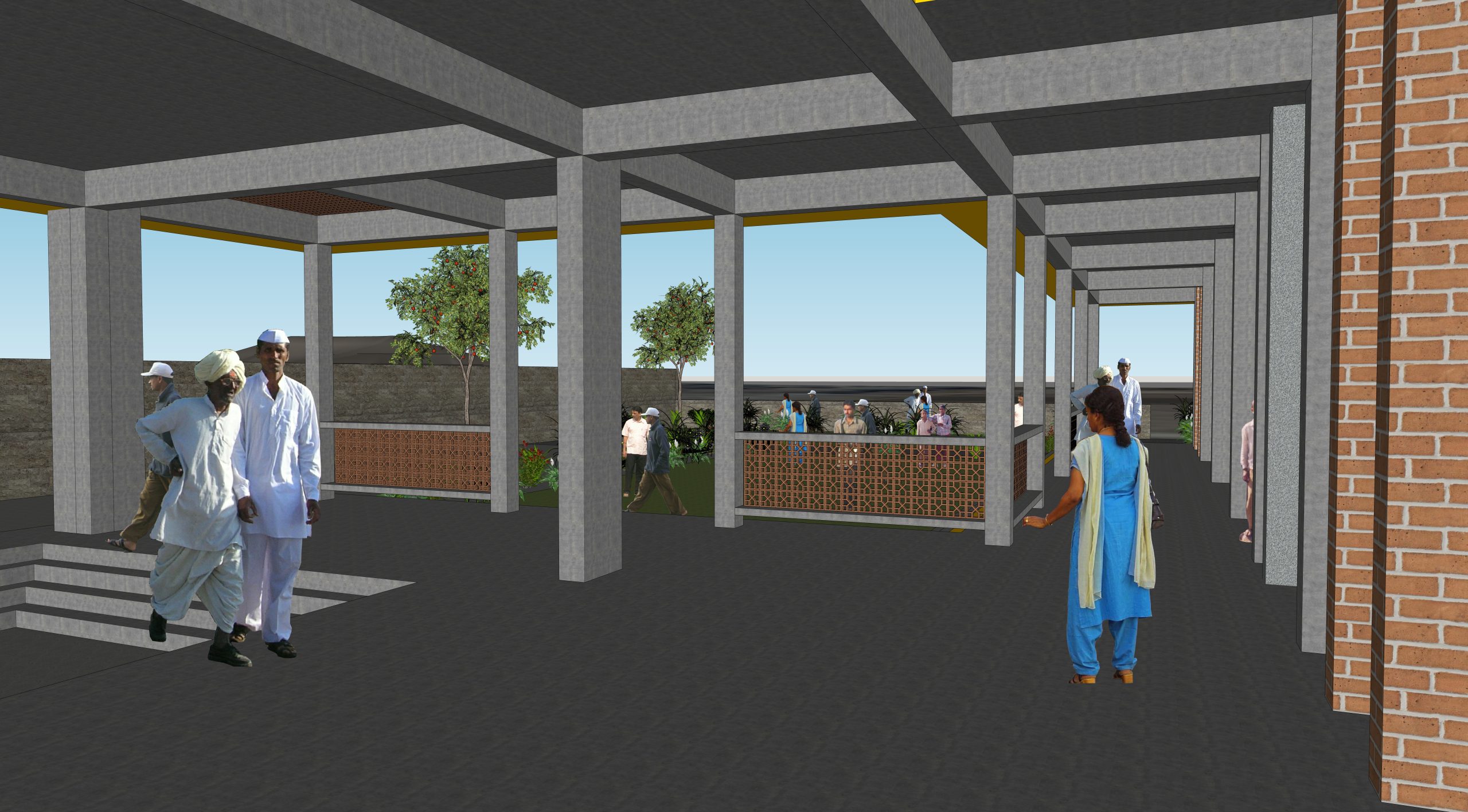
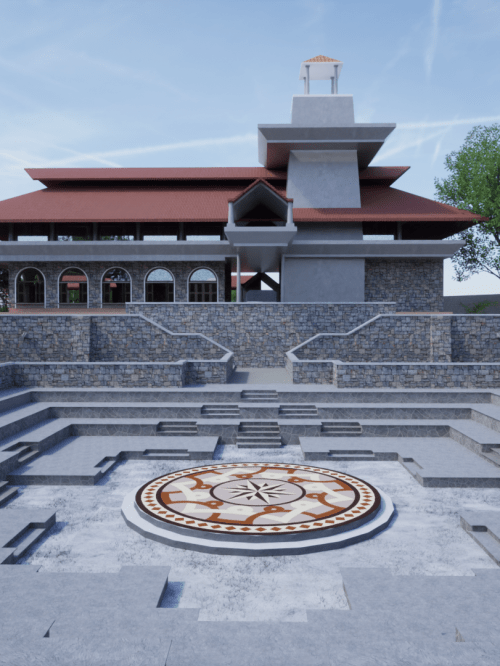
The building’s materials are vernacular: brick, mortar, and concrete, used with a craft sensibility appropriate to the regional construction traditions of Pune district. The rooms incorporate built-in offsets and niches that serve as storage — a decision driven by the brief’s insistence that beds should be the primary furniture, with minimal additional pieces required. The ventilation system was designed to exploit the prevailing winds and the building’s orientation to the site, producing natural cross-ventilation that keeps the dormitories comfortable without mechanical cooling — a sustainability decision as much as a budget decision.
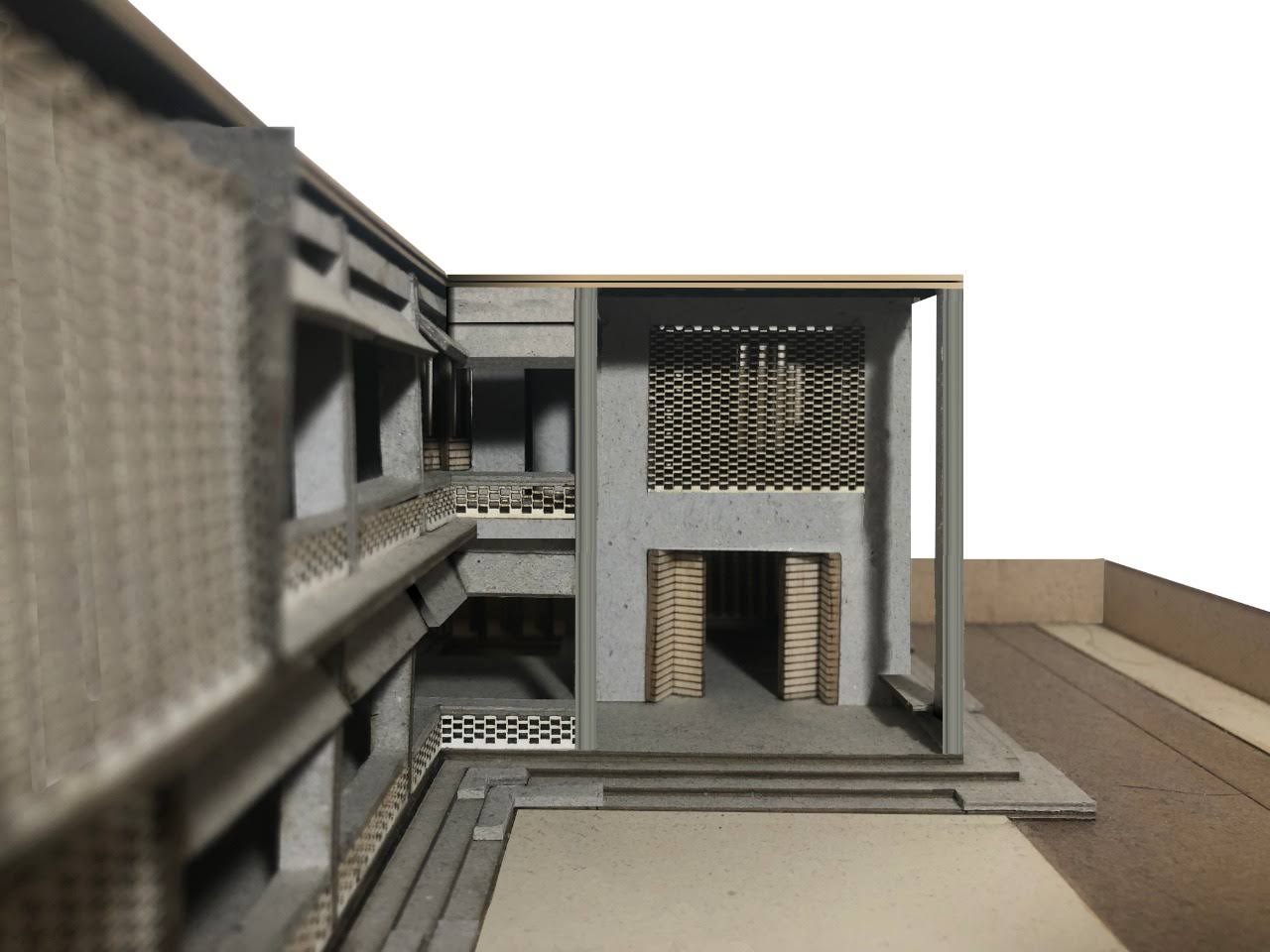
The activated courtyard at the base of the building’s entry steps is the project’s most important social space: a gathering point for the community’s rituals, songs, and daily life during the palki festival. It is designed as a threshold — between the public street and the private community space, between the ordinary life of the building and the extraordinary life of the pilgrimage. At its best, a courtyard like this becomes the most-used and most-loved space in a community building, because it is the space that belongs to everyone equally. The Jejuri Community Center, in its design and in its funding model, represents exactly that kind of belonging.
Location: Jejuri, Pune District, Maharashtra
Client: Chimbai Community / Mr. Chimbaikar
Typology: Community Architecture / Pilgrimage Infrastructure
Status: Design and Schematic Phase Completed