Banyan Tree — Folk Music Training Center, Khopoli
There is a quality of light in the Western Ghats that has no equivalent elsewhere in India. It arrives filtered through dense canopy, dappled and shifting, heavy with moisture during the monsoon and crystalline in the dry months. The plateau at Khopoli, two hours from Mumbai by road, sits at the edge of this landscape — a high, forested tabletop with views across the surrounding hills and access to the seasonal waterfalls and birdlife of the Ghats. It was this landscape — and the conviction that great music deserves a space as extraordinary as the music itself — that drove the Banyan Tree Folk Training Center.
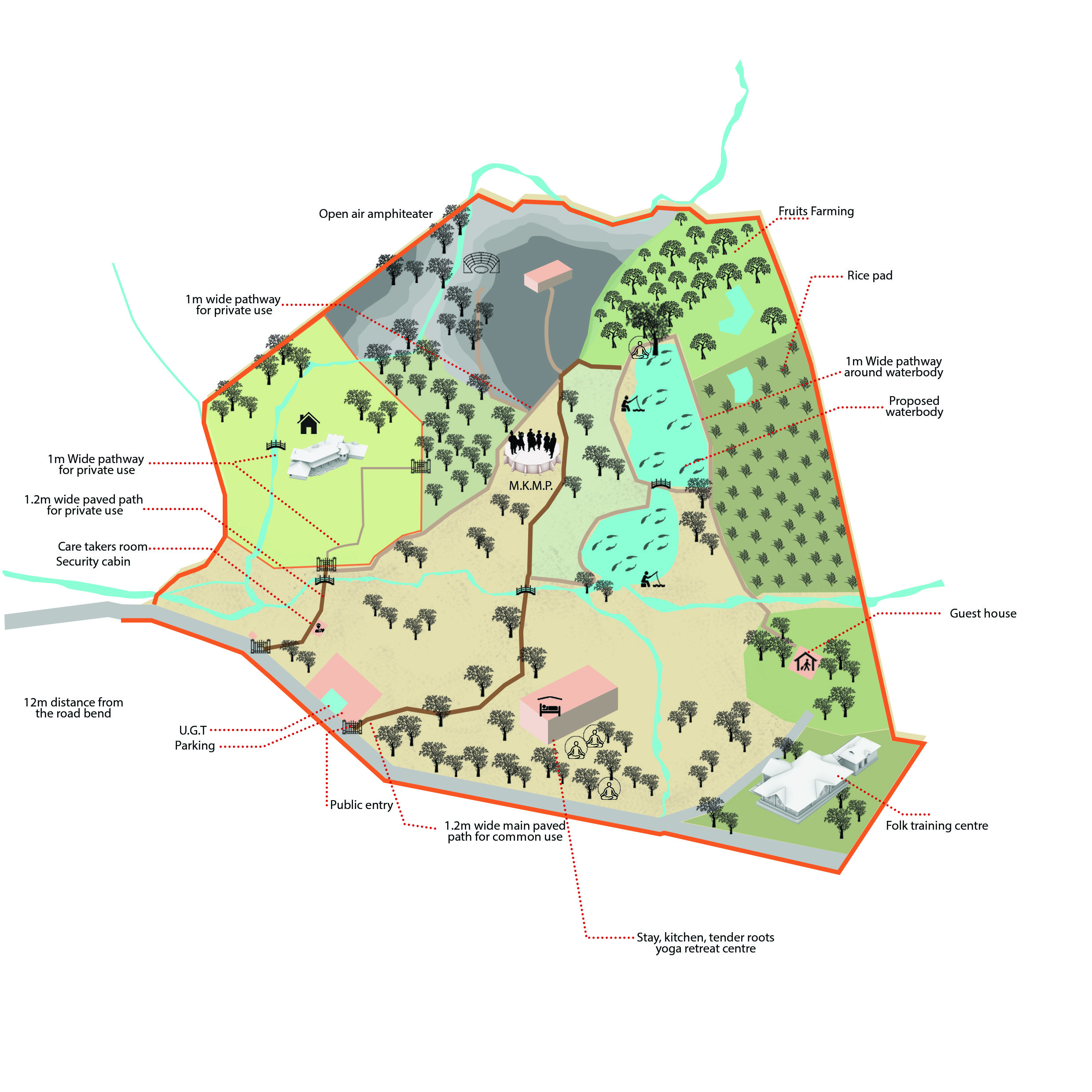
Banyan Tree Events commissioned Bricolage Bombay to masterplan and design a 7-acre eco-venue dedicated to the practice, performance, and teaching of folk, raga, and jazz music. The masterplan was developed around the site’s existing ecology — its trees, its topography, its seasonal water patterns — as the primary design driver. Not a single tree was removed. The site’s natural beauty was preserved and enhanced through strategic interventions: the introduction of a central water body whose reflective surface and ambient sound would create a contemplative centre of gravity for the property; the mapping of performance areas to take advantage of natural acoustic amphitheatres formed by the terrain; the organisation of practice spaces to ensure that musicians could work in relative acoustic isolation while remaining connected to the landscape and to each other.
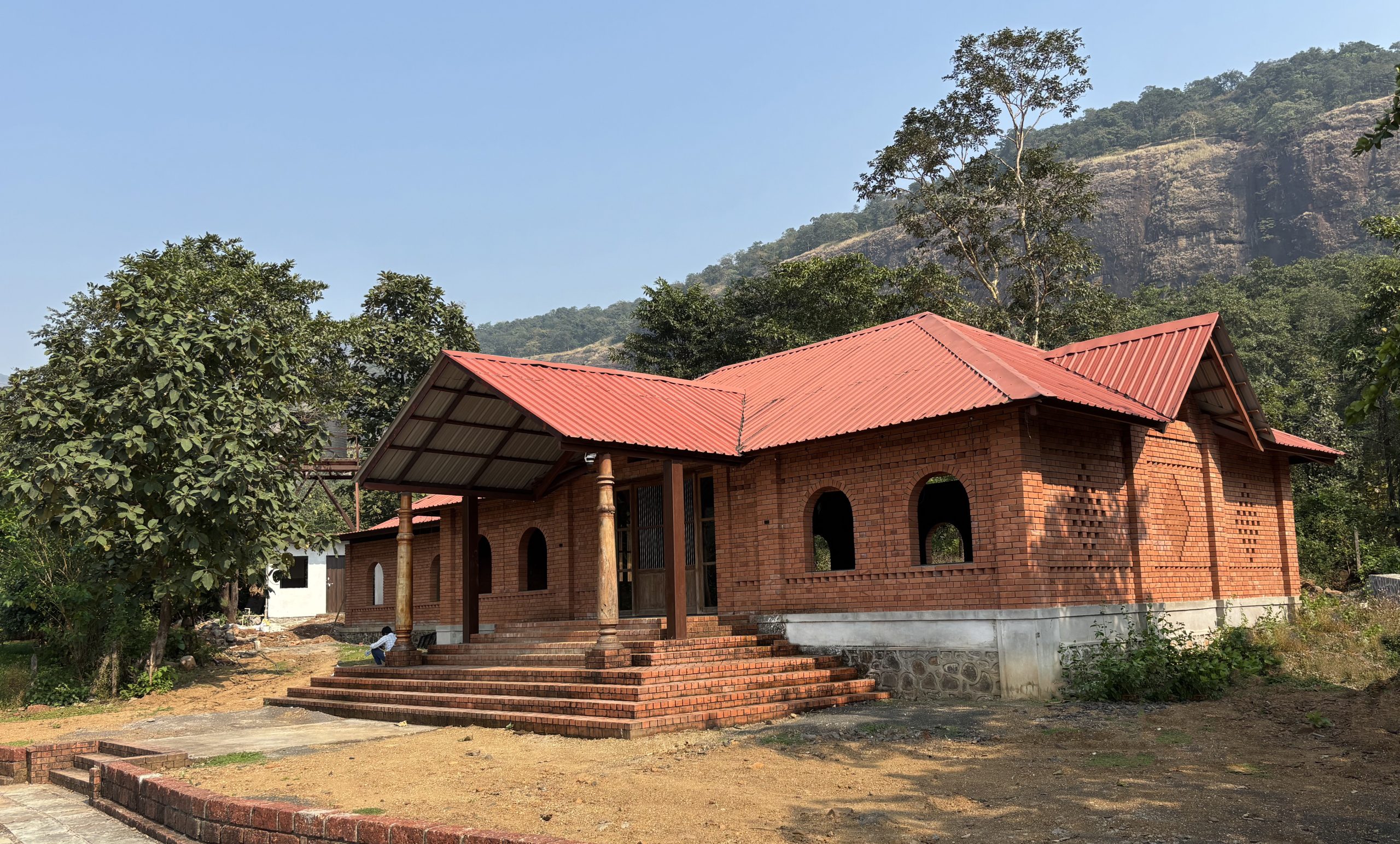
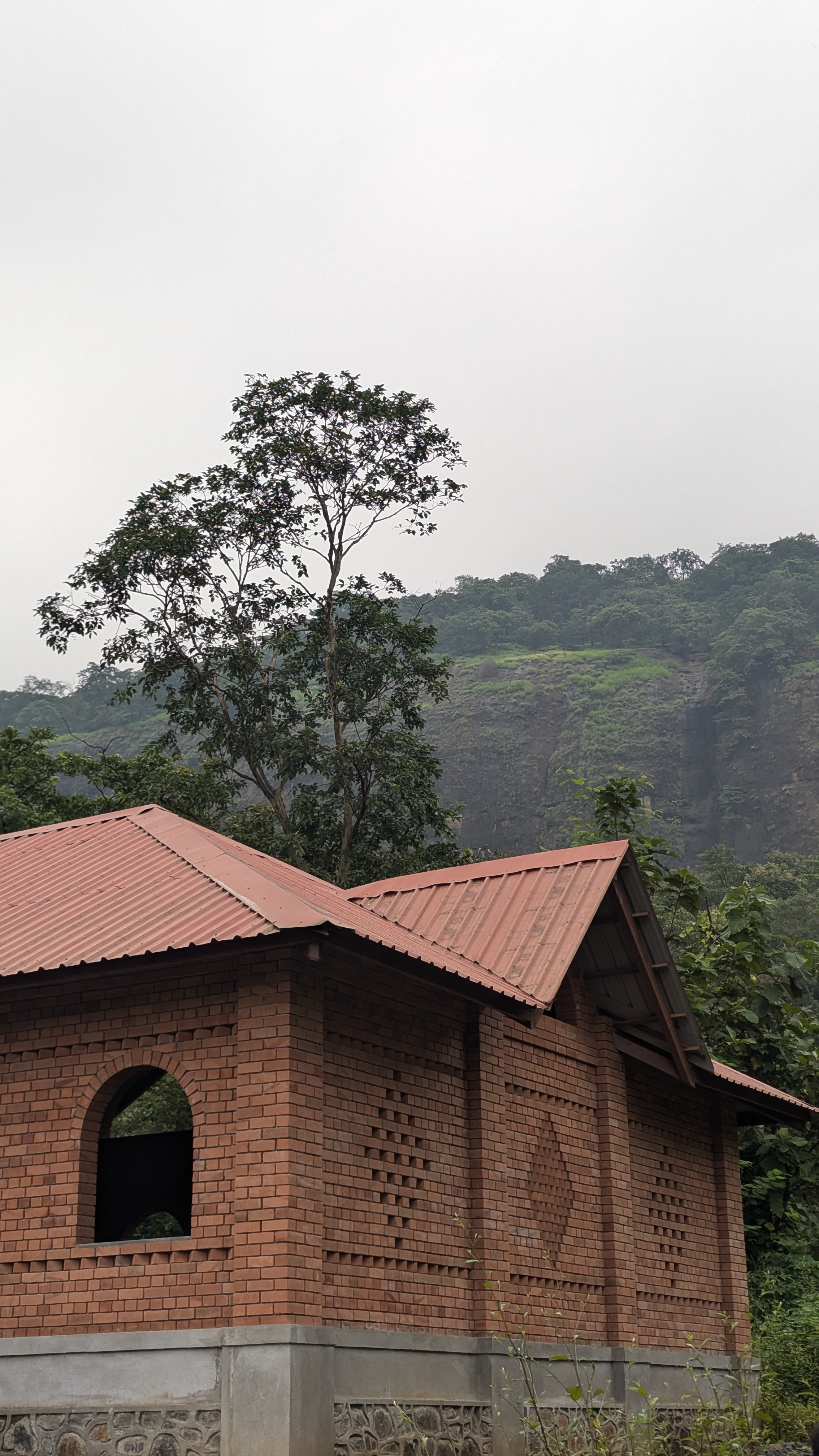
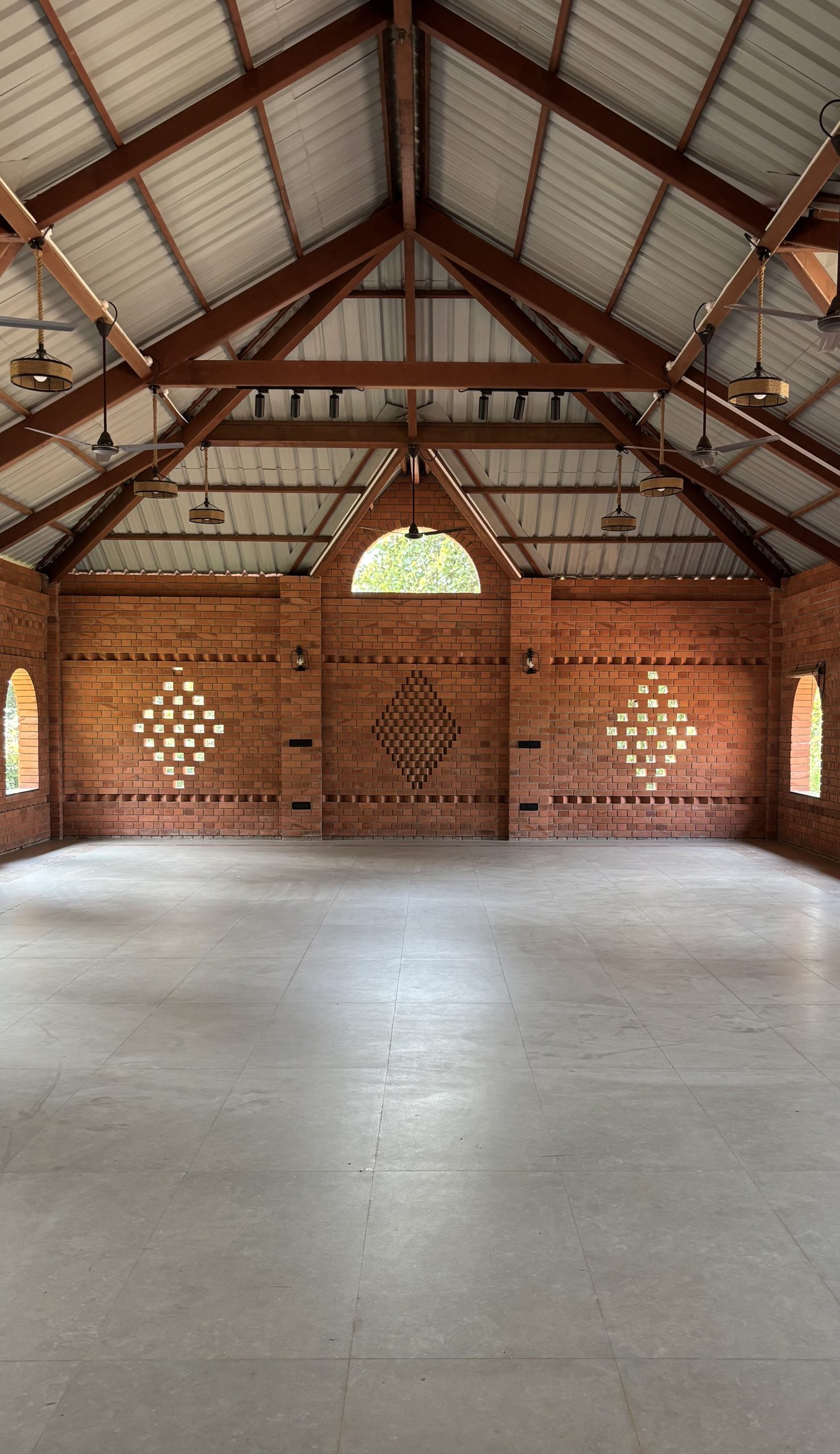
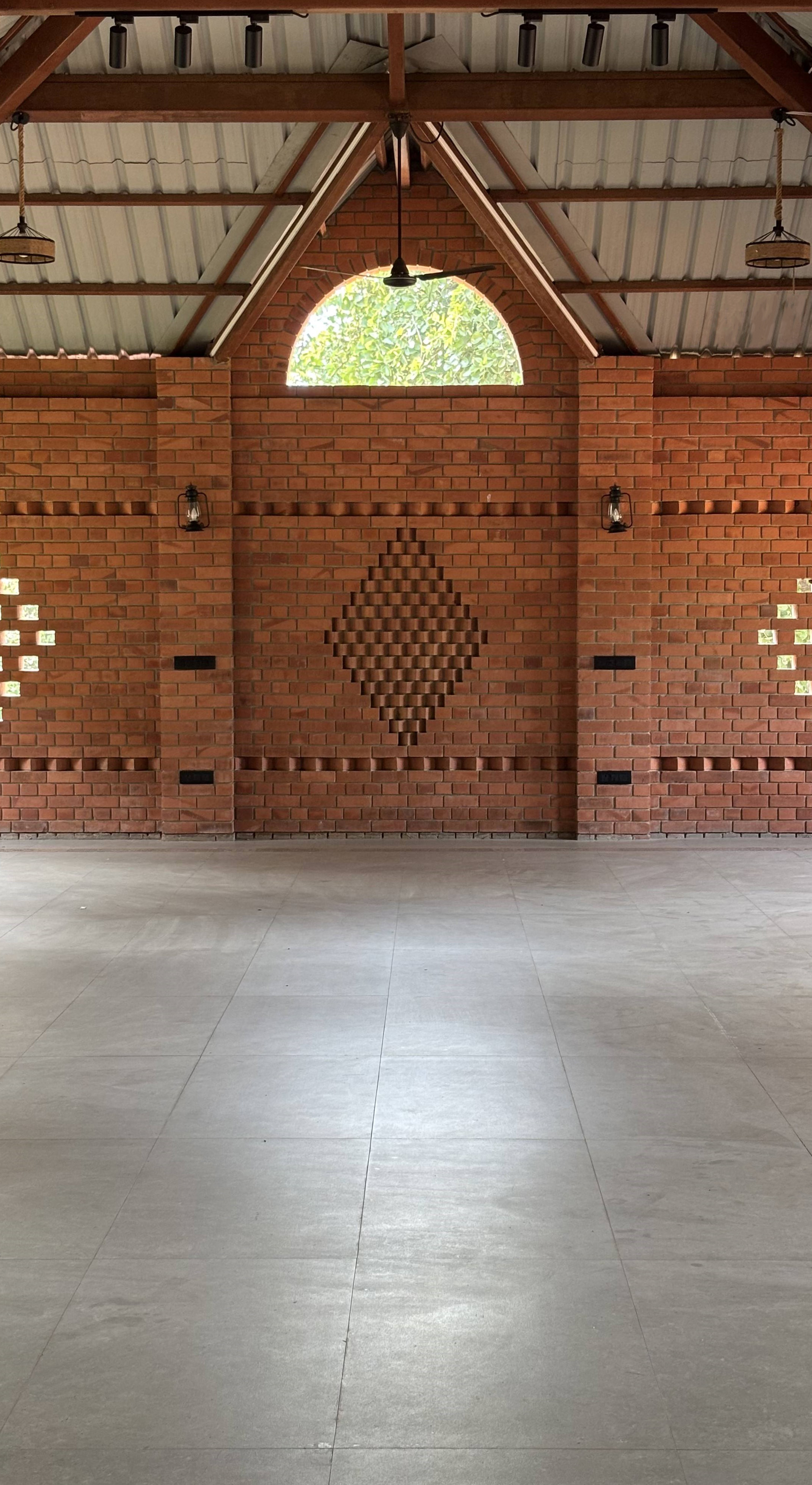
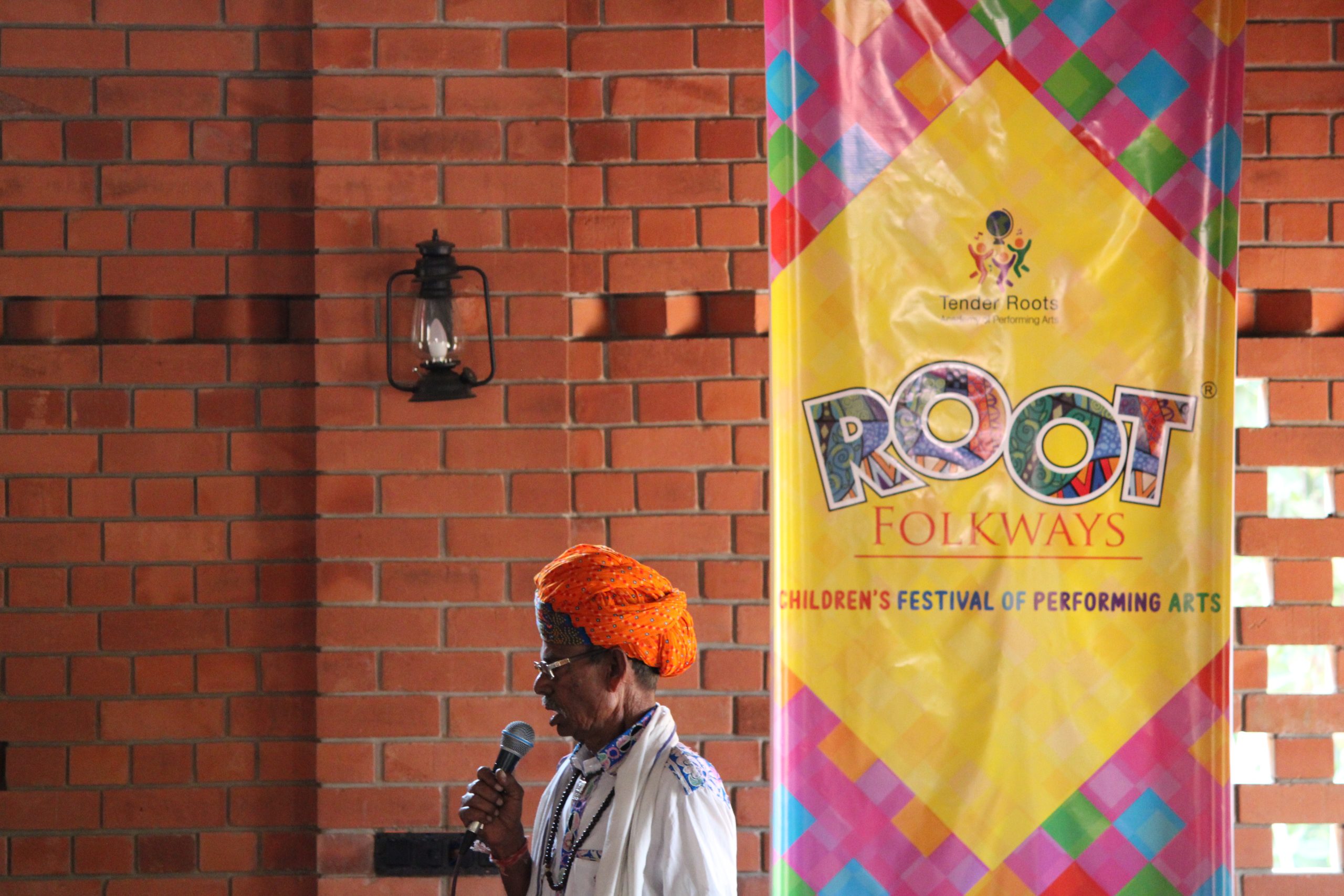
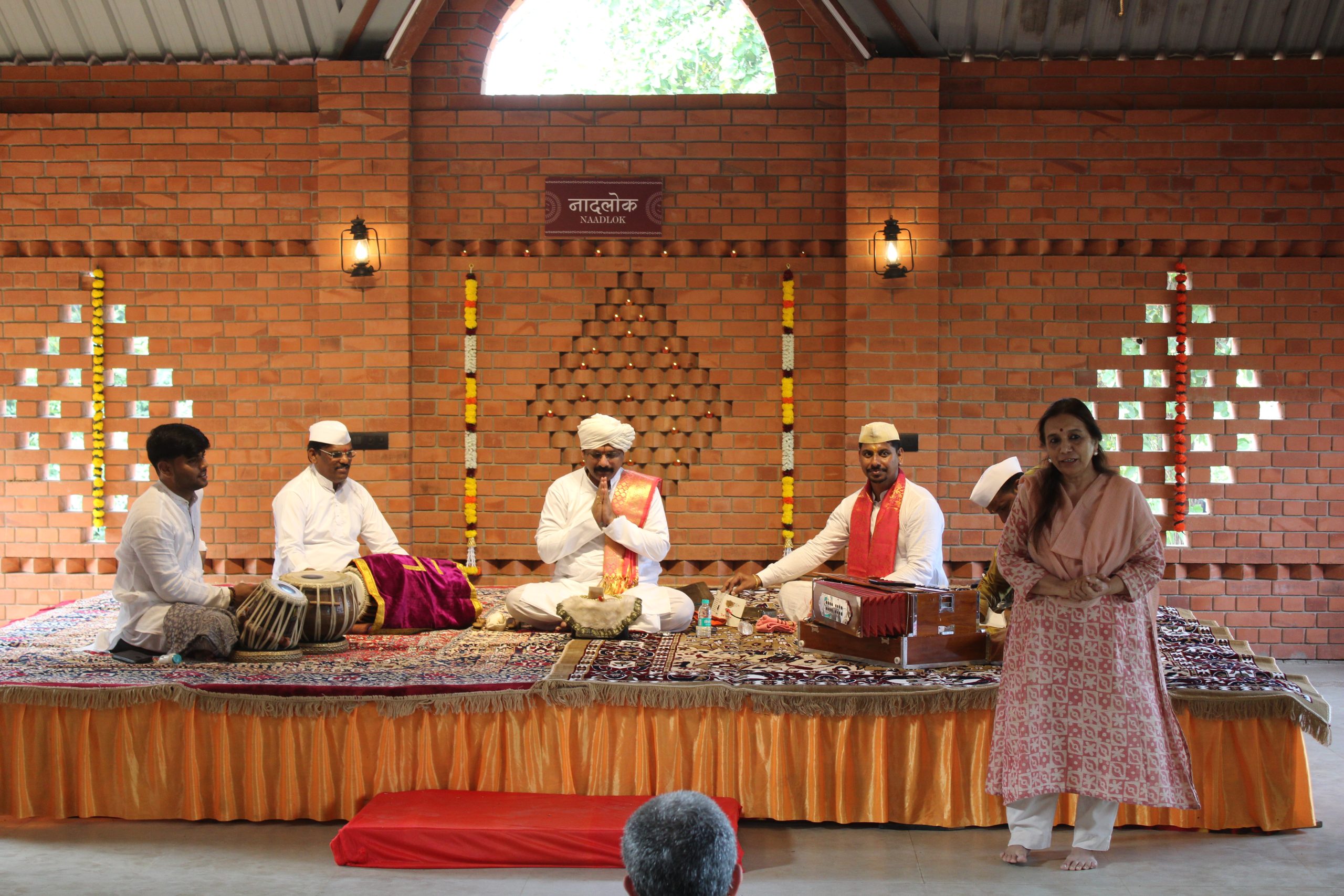
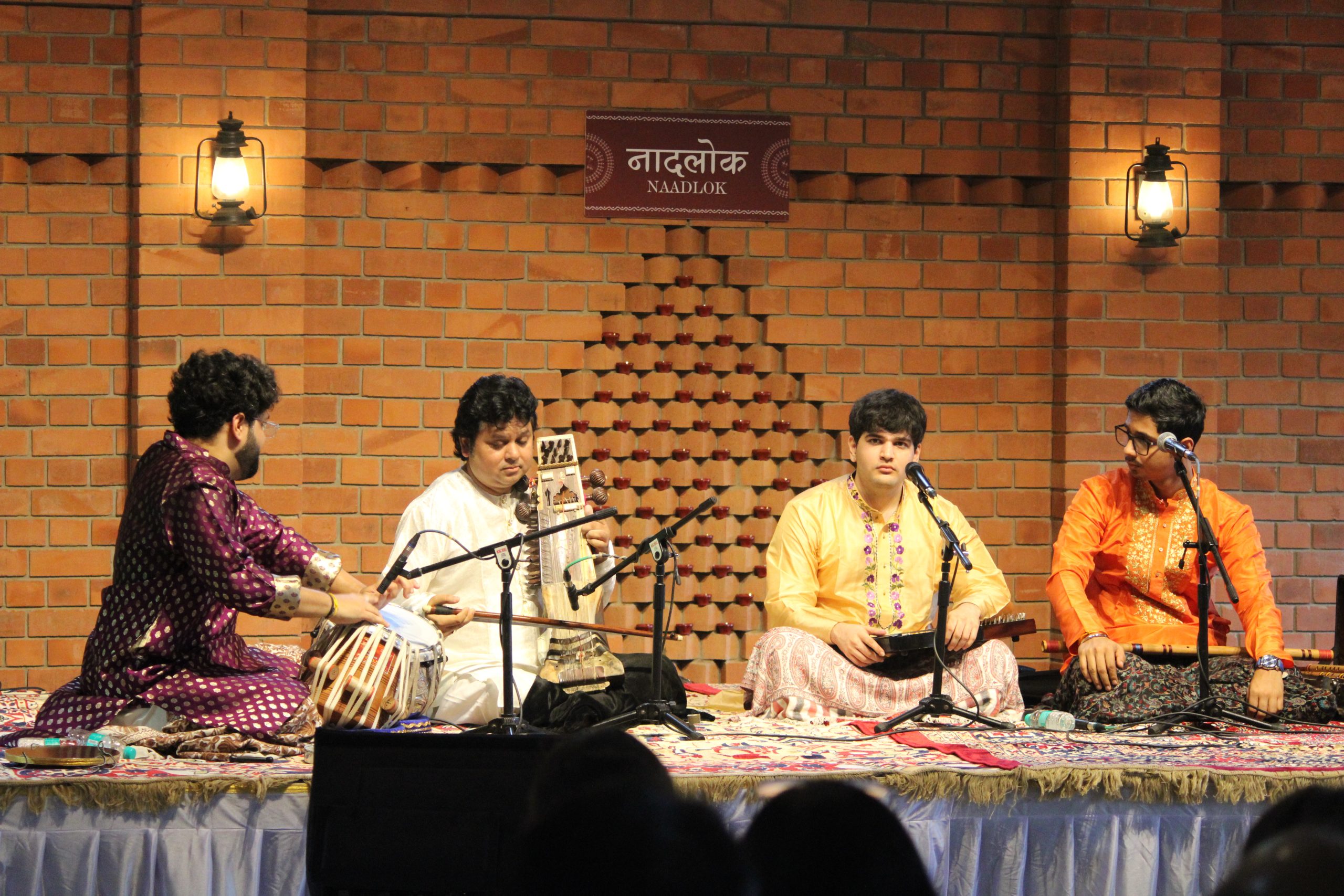
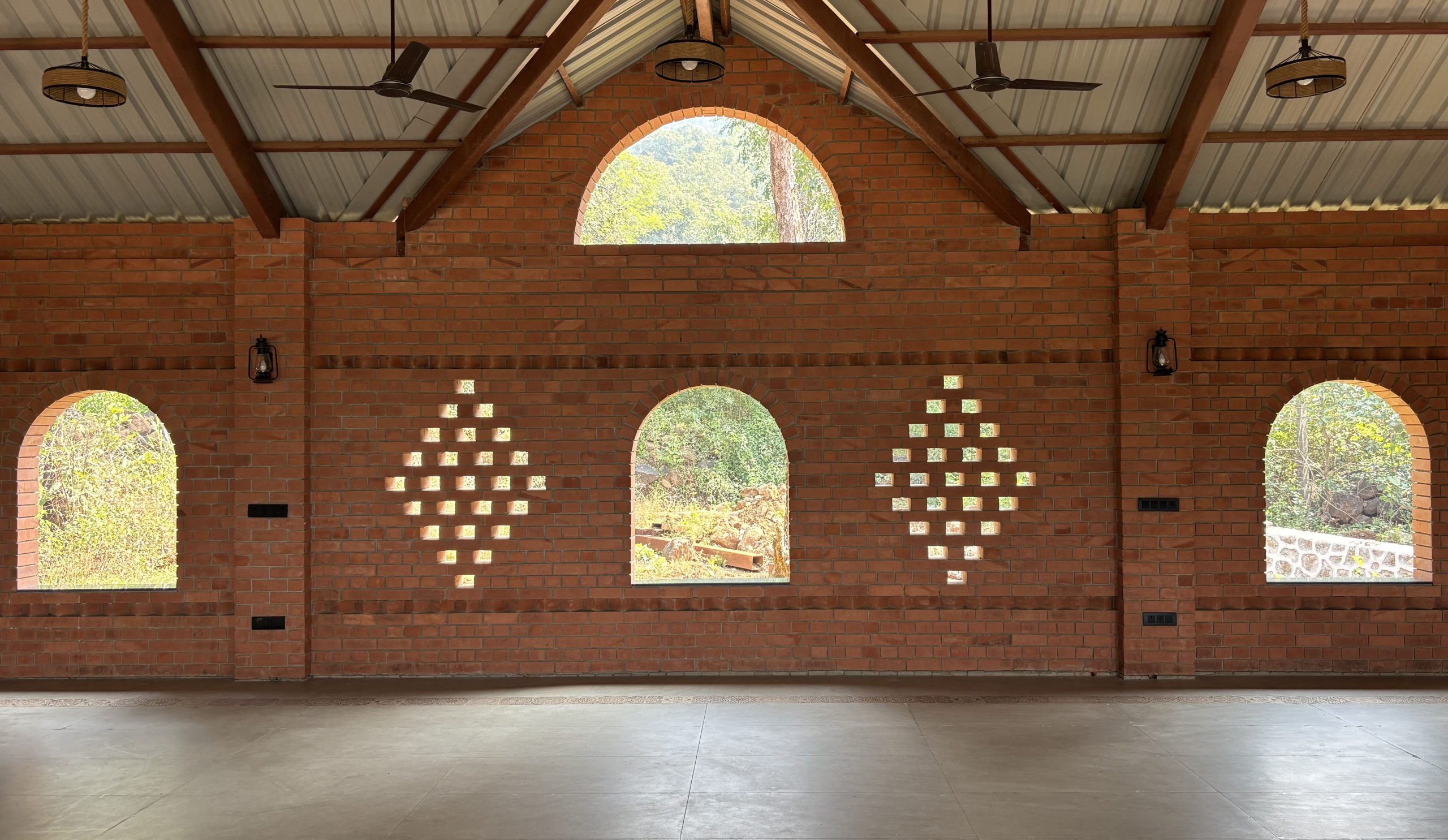
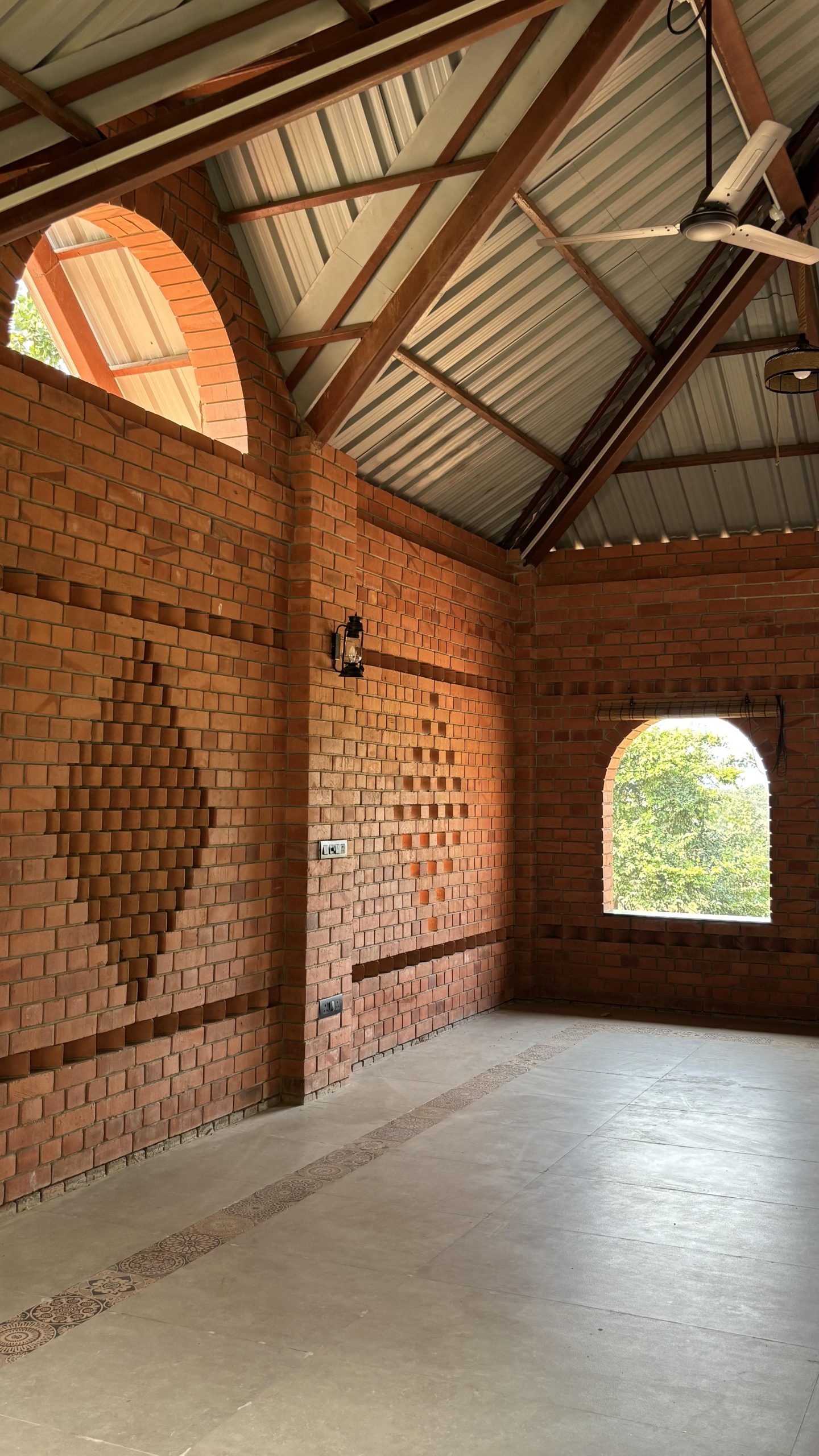
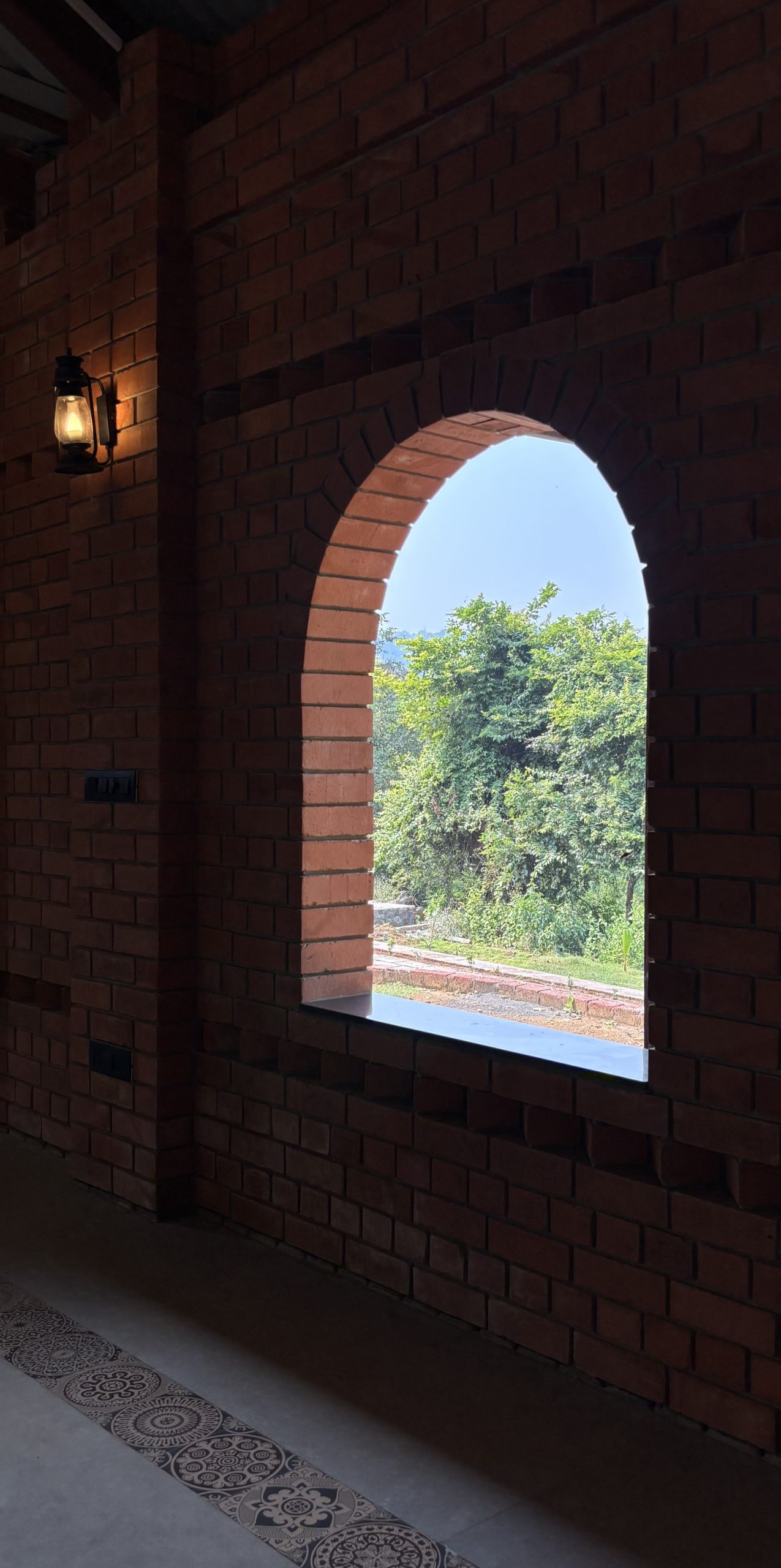
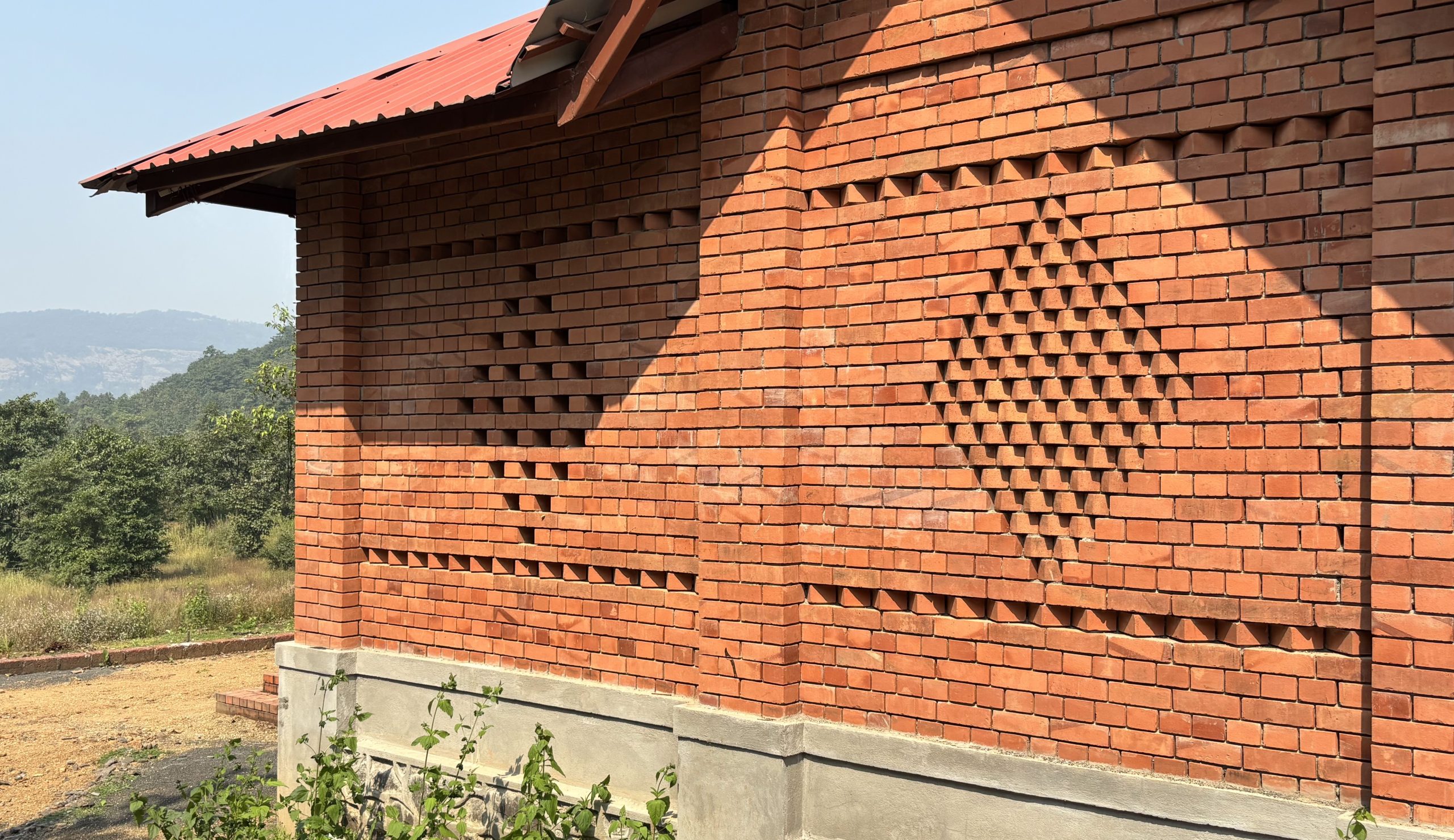
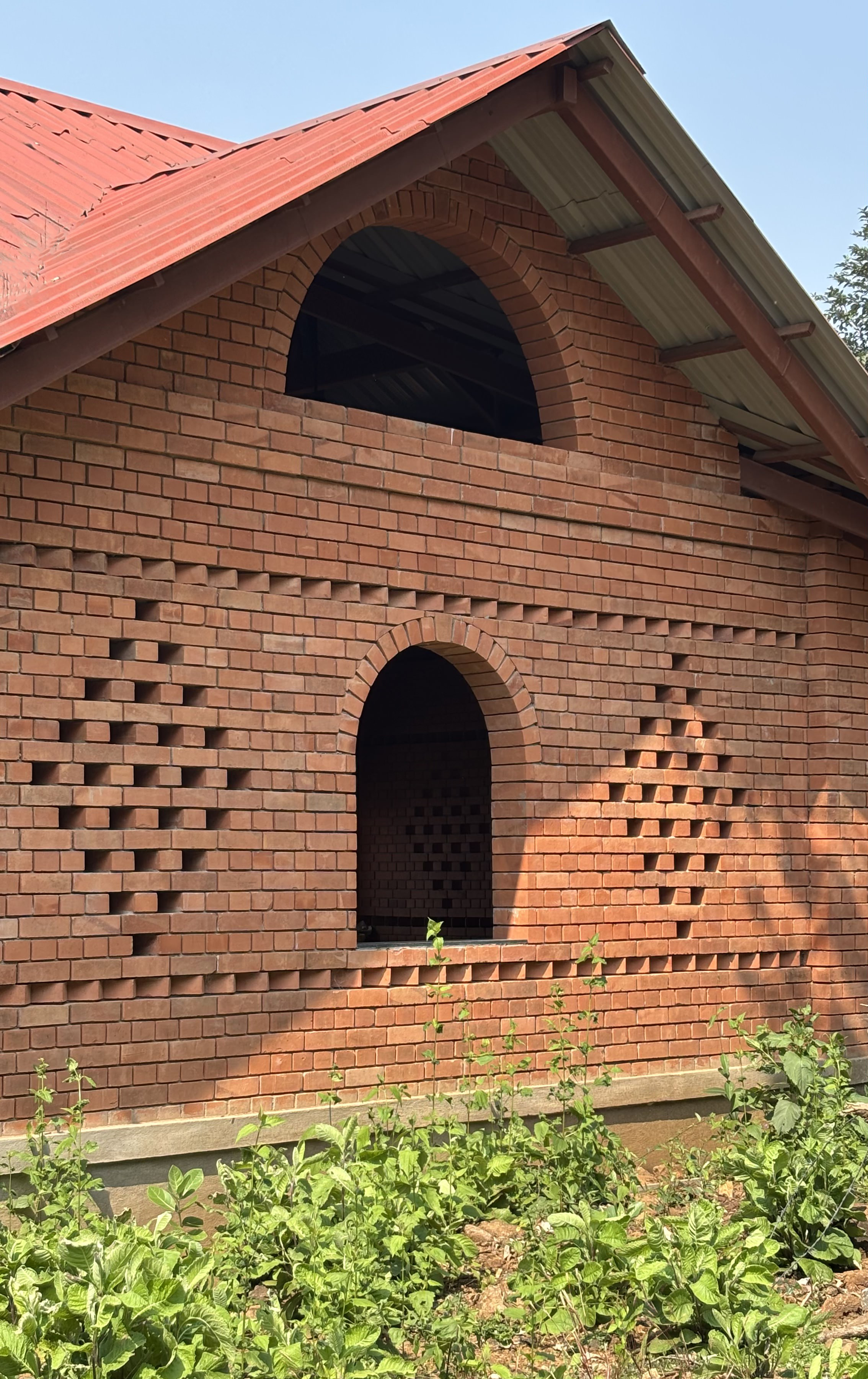
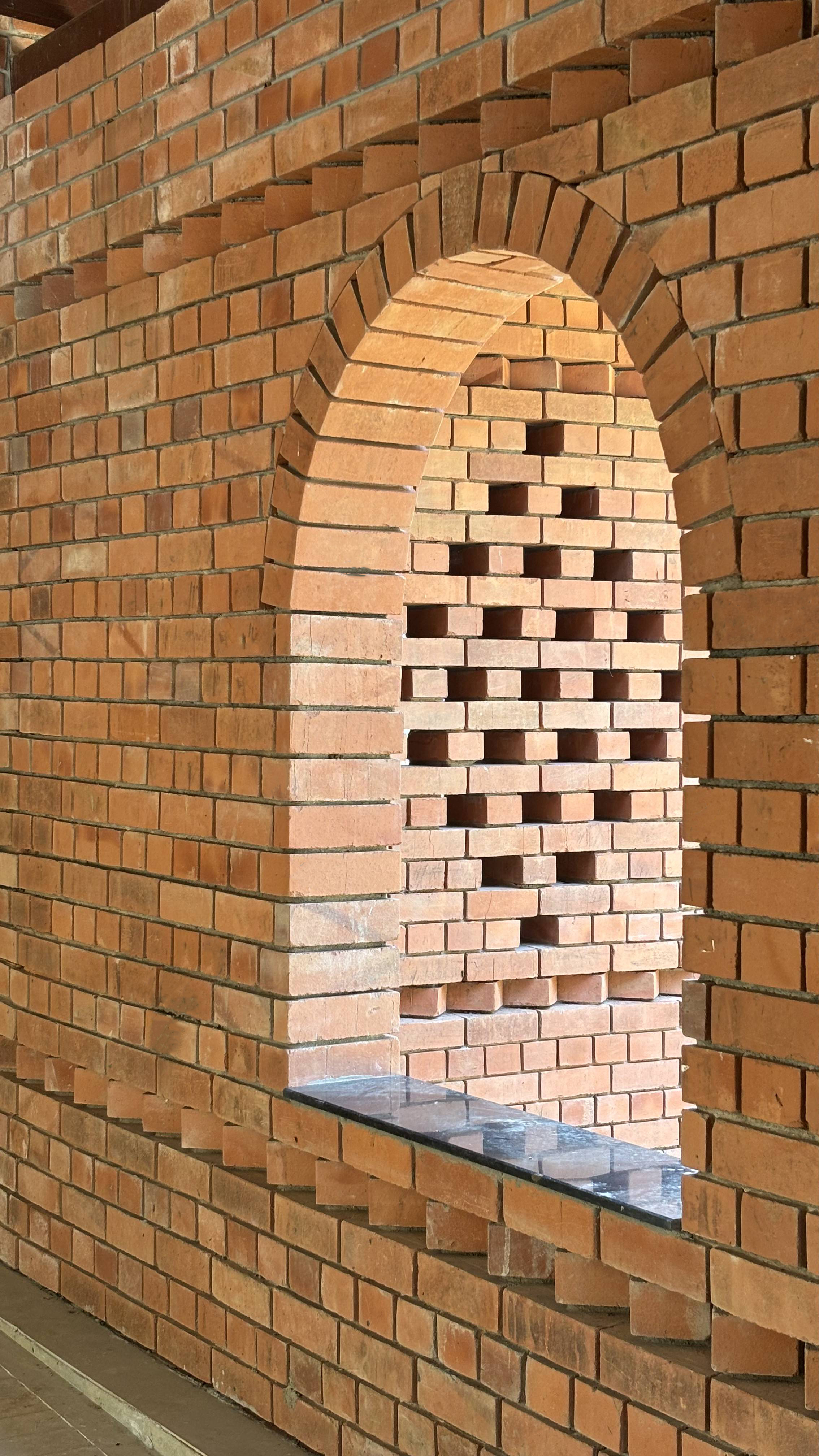
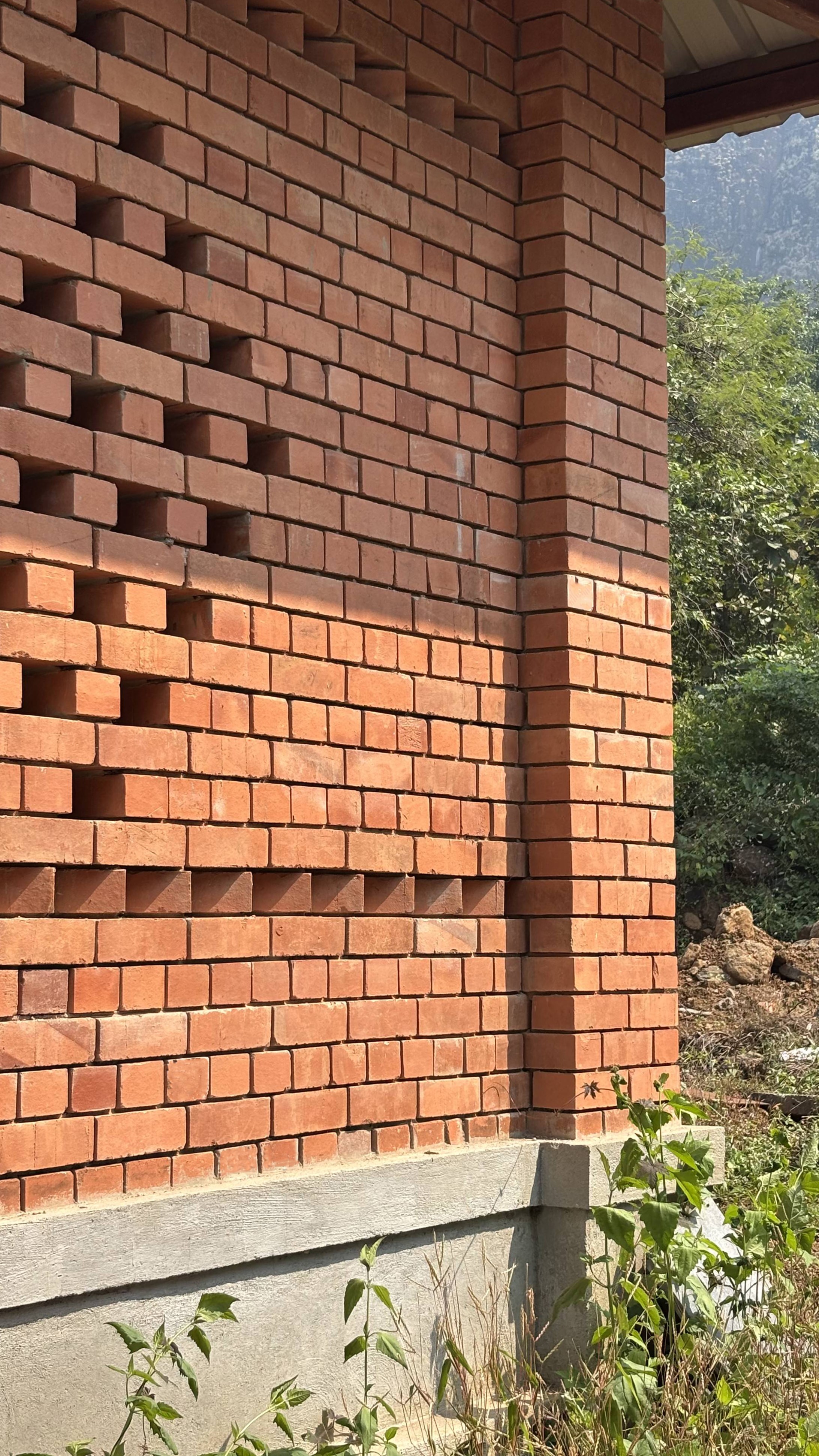
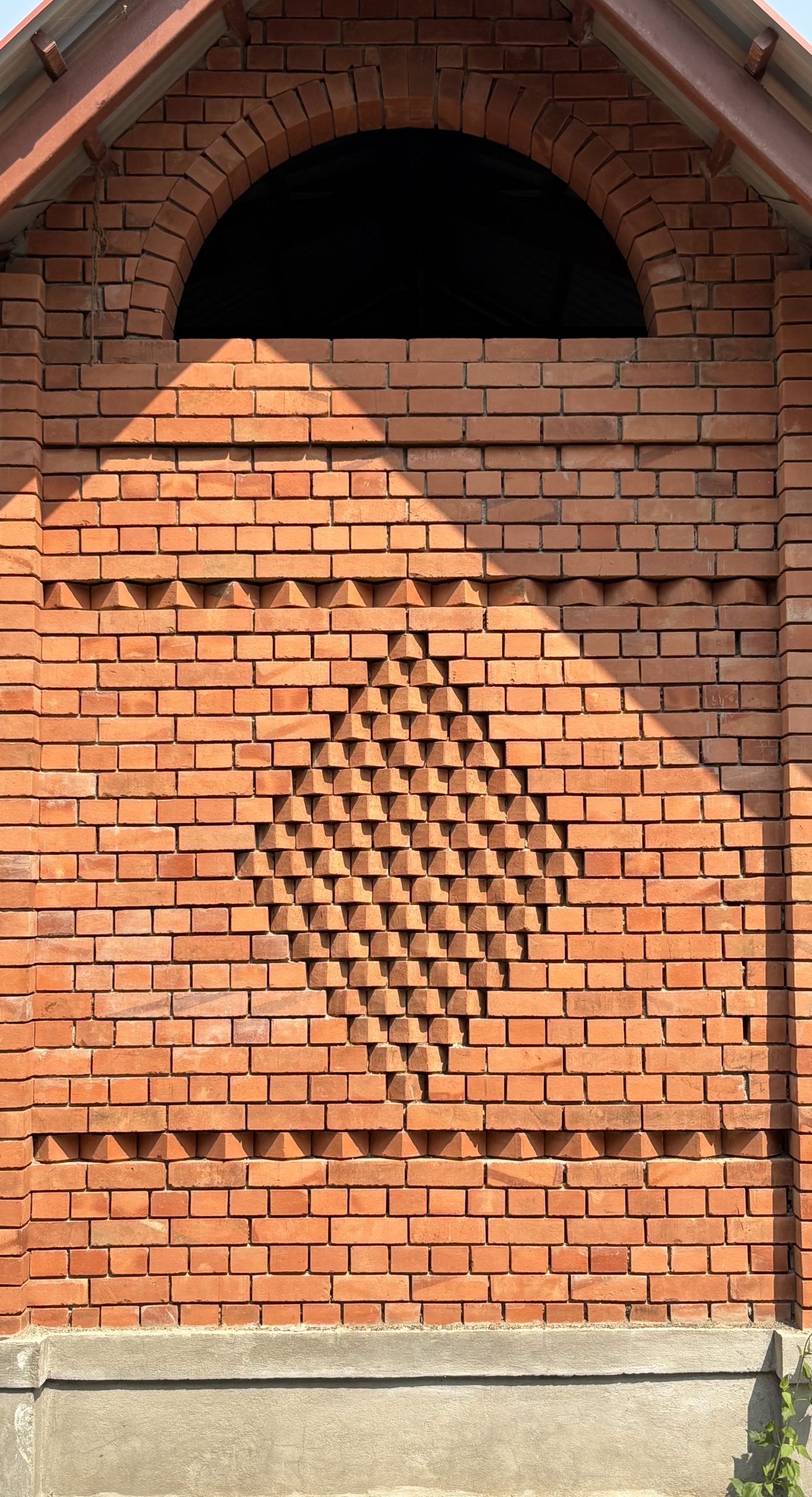
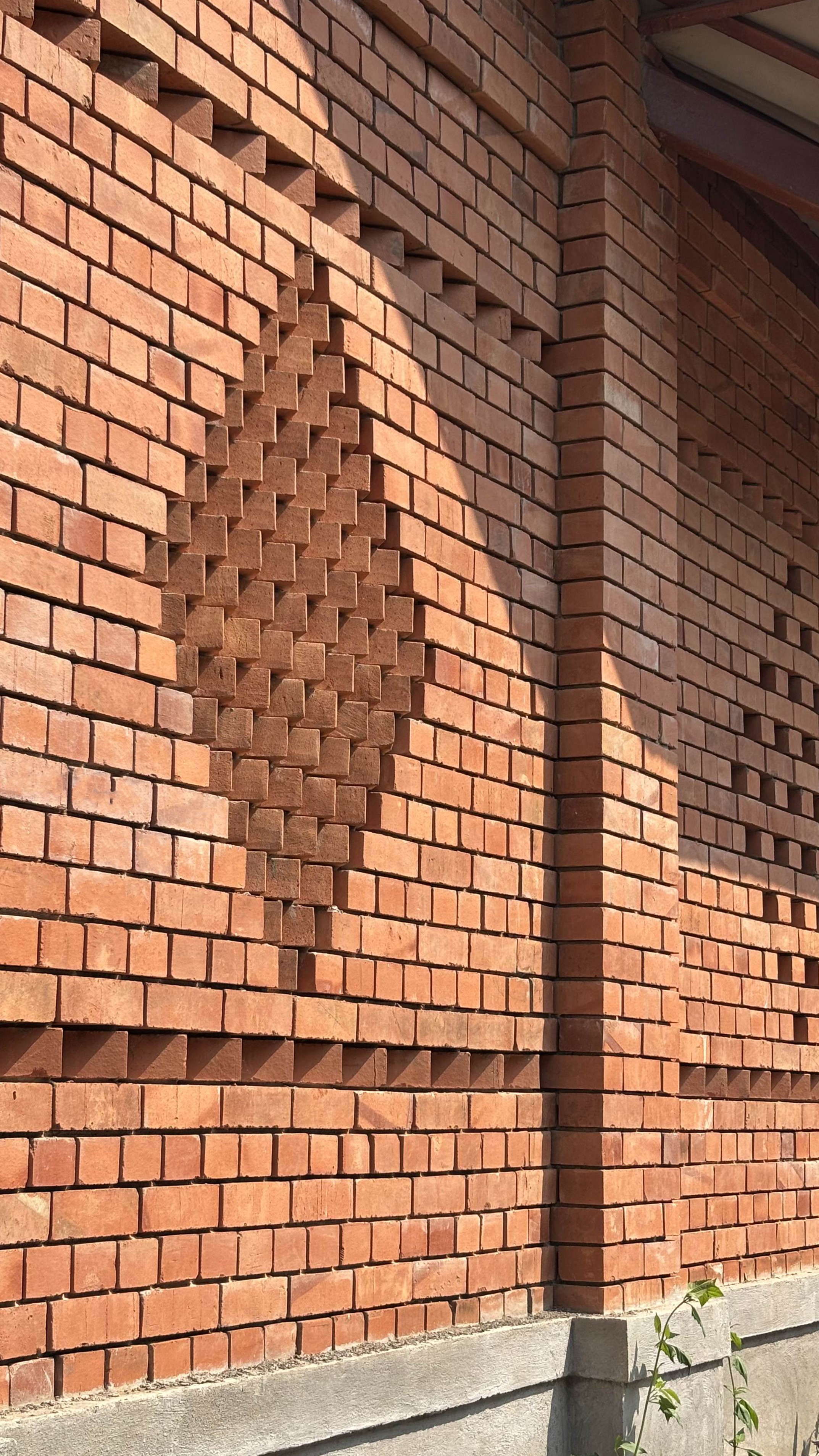
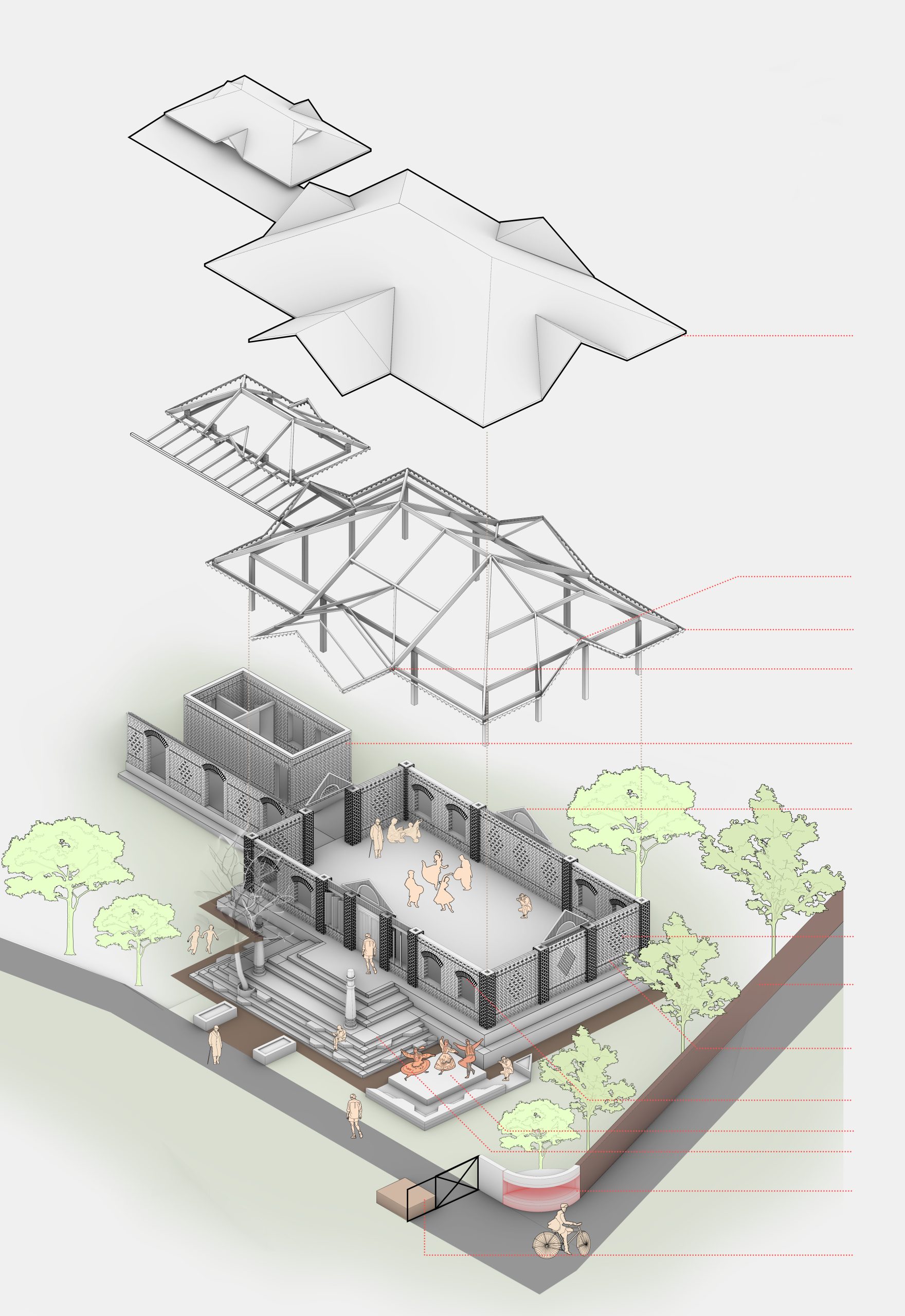
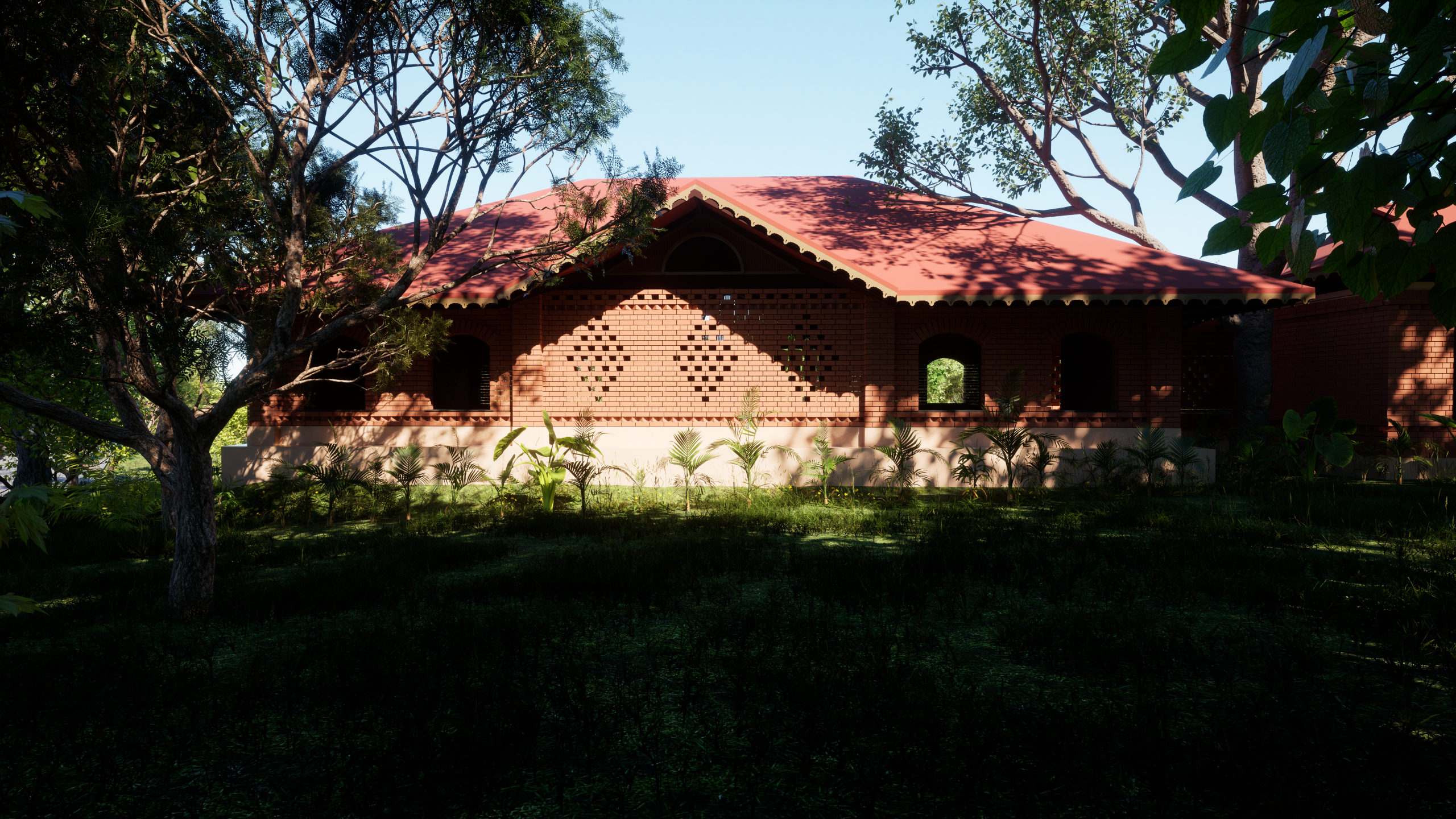
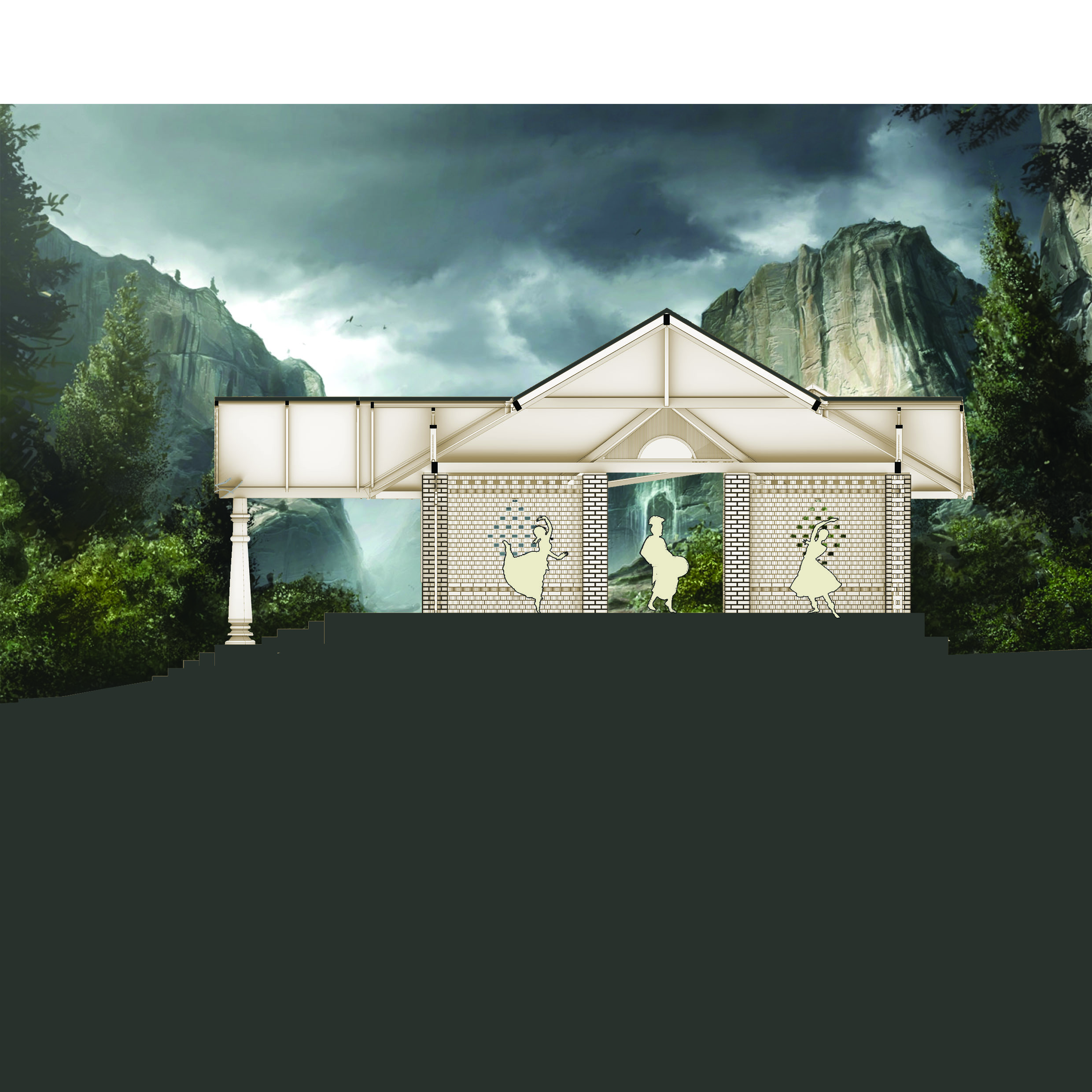
The primary structure — a 1,500-square-foot building at the heart of the masterplan — serves as the changing room and rehearsal facility for resident musicians. It was designed in Mangalore brick, imported to the site for its durability, its colour (the deep terracotta that echoes the laterite soils of the Ghats), and its resonance with the vernacular construction traditions of coastal Maharashtra and Karnataka. Artisans from Bengal were brought to Khopoli to execute the brickwork, their regional expertise producing a quality of detailing in the joints and the corbels that local masons could not have achieved. The building’s walls breathe; its roof, with deep overhangs, sheds the monsoon rains; its rooms, designed to specific acoustic criteria, are natural resonators for string and wind instruments.
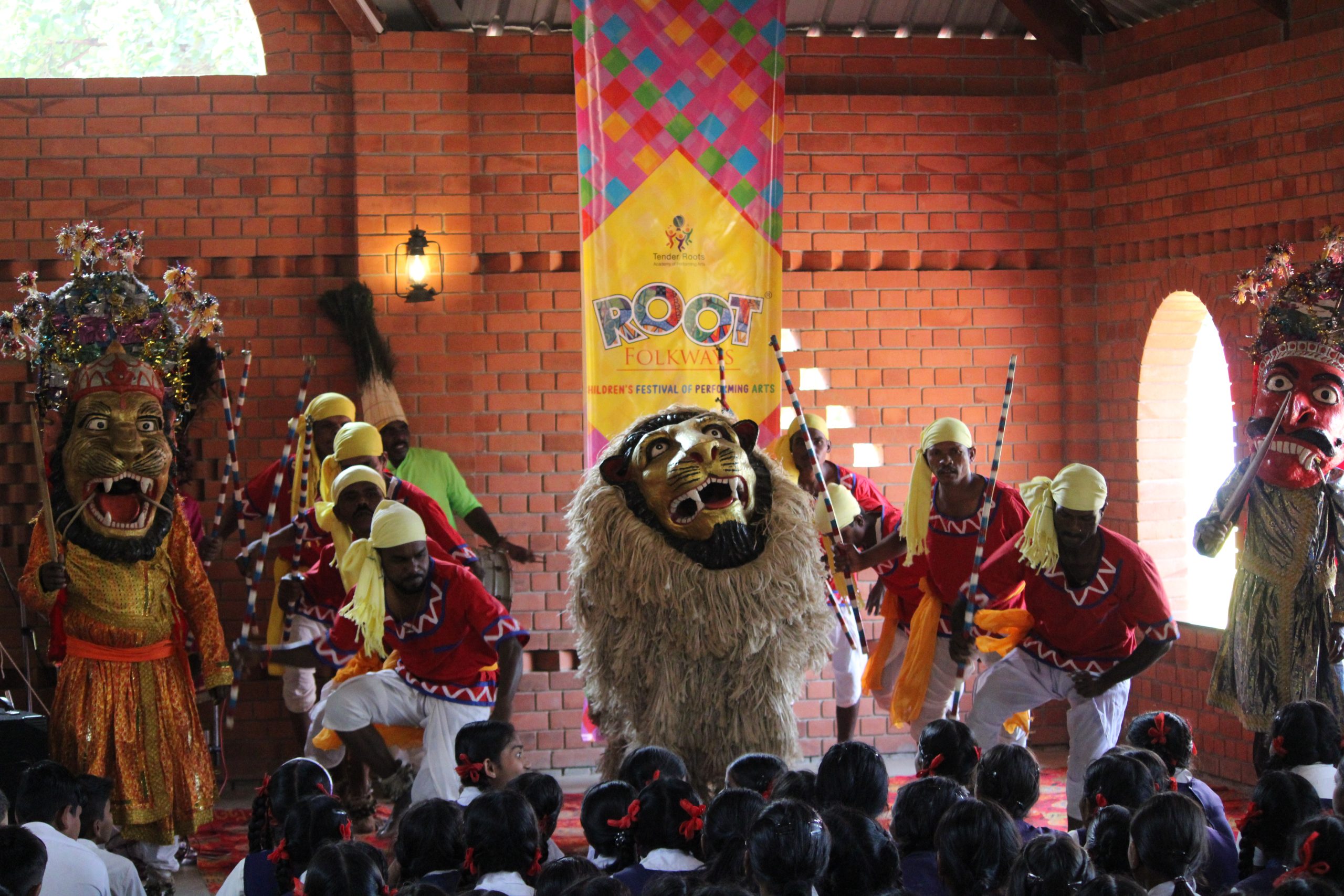
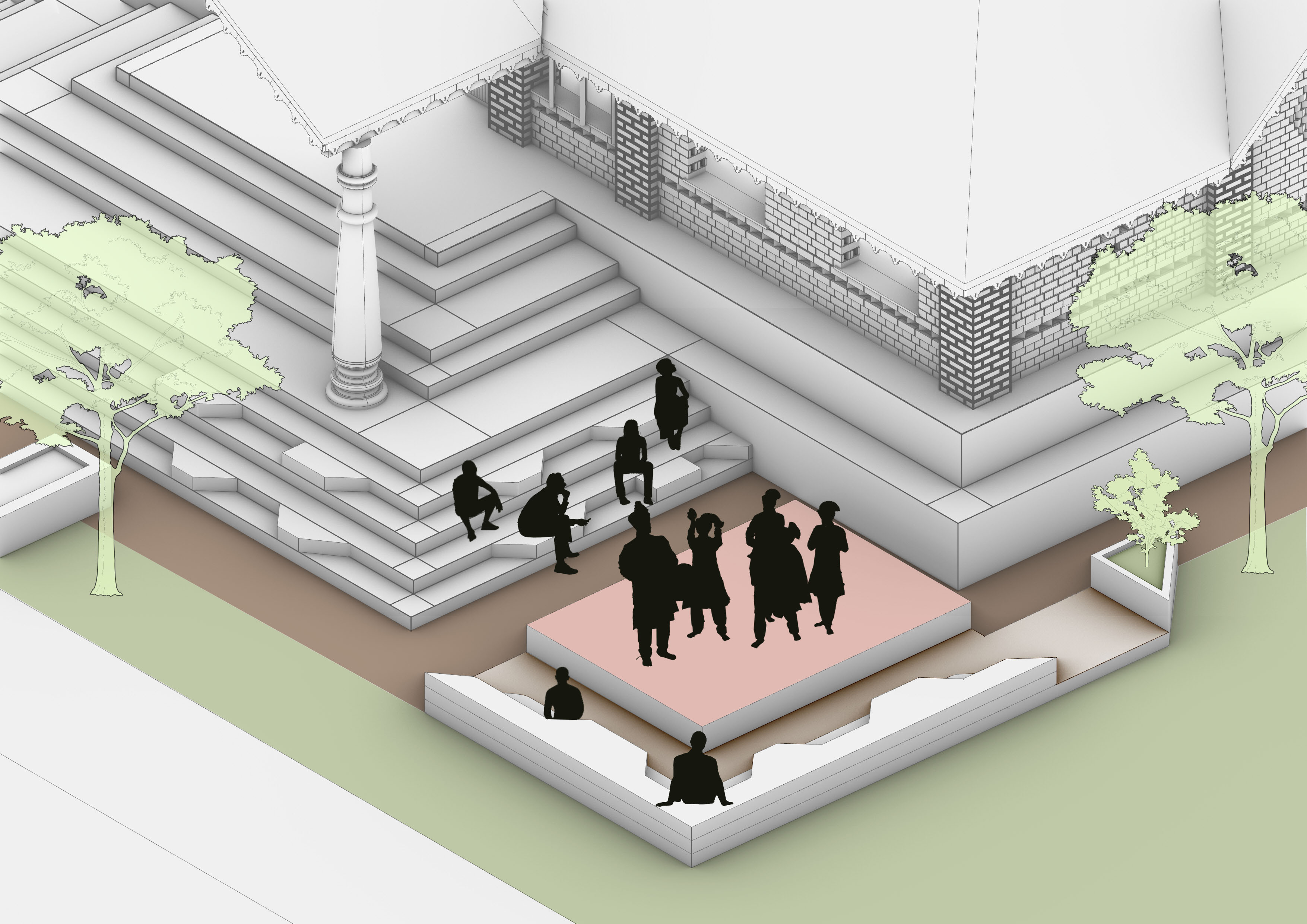
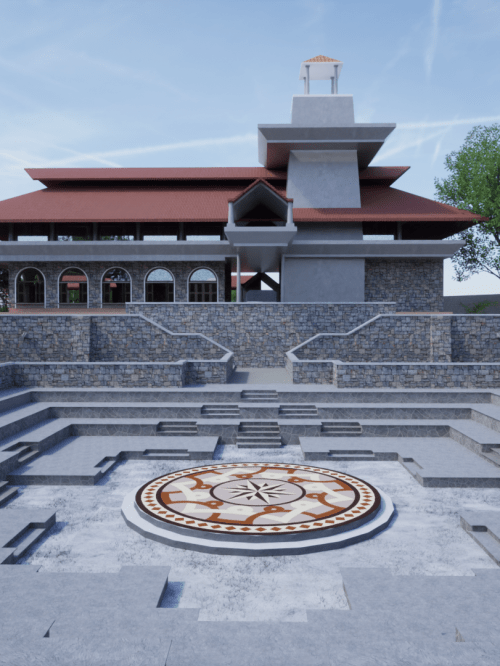
The surrounding landscape design establishes the performance and practice areas: an open-air amphitheatre shaped by the existing terrain and supplemented by landscape earthworks; informal lawn areas for outdoor performance; dedicated paths between practice spaces that are themselves opportunities for acoustic discovery, since the landscape around a musician becomes part of the practice. The water body at the centre of the masterplan provides visual calm, natural evaporative cooling during the hot season, and the specific acoustic quality of reflected sound that composers and musicians have sought since antiquity.
Banyan Tree Folk Training Center is Bricolage Bombay’s most sustained engagement with the relationship between music and architecture — two disciplines that share more than is commonly acknowledged. Both depend on the organisation of time and space. Both are practices of repetition and refinement. Both, at their best, create conditions for human experience that would not be possible without them. The center at Khopoli is an attempt to build that relationship into the ground — to make a place where music can be found waiting.
Location: Khopoli, Maharashtra
Client: Banyan Tree Events
Area: 7 Acres / 1,500 sq ft primary structure
Typology: Masterplanning
Status: Completed